Article
September 28, 2026
What are Security Robots?
Security robots are the solution to the growing gap between rising security risks and limited human resources.
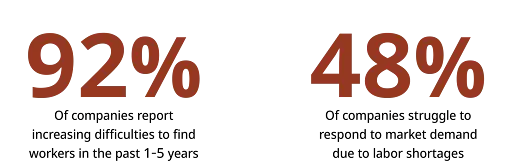
Security teams can’t physically watch and patrol every area all the time. This issue is especially relevant due to factors such as fewer guards available, larger sites, night shifts, and high costs. A study conducted by INTEL found that the rising demand and reduced workforce are partly due to long-term effects of the COVID-19 pandemic and an aging workforce. As a result, organizations are turning to a growing range of security technologies to maintain coverage more efficiently.
One of the most common mistakes when evaluating security solutions is comparing systems based exclusively on their features. A long list of features does not help if the tool solves the wrong problem. A drone, for example, is great for checking an alarm quickly, but it can’t replace hours of ground patrol.
Rather than starting with the “best” set of features, start by naming the problem. Is the goal to ensure that a specific door is always closed, or to maintain regular patrols across a large outdoor area?
Indeed, the right question should be: What security coverage problem actually needs to be solved?
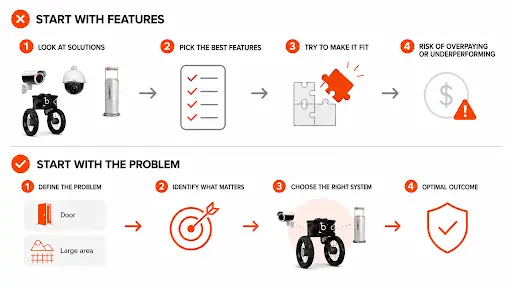
Only once the problem is clear is it possible to identify the security system that best fits the security needs.
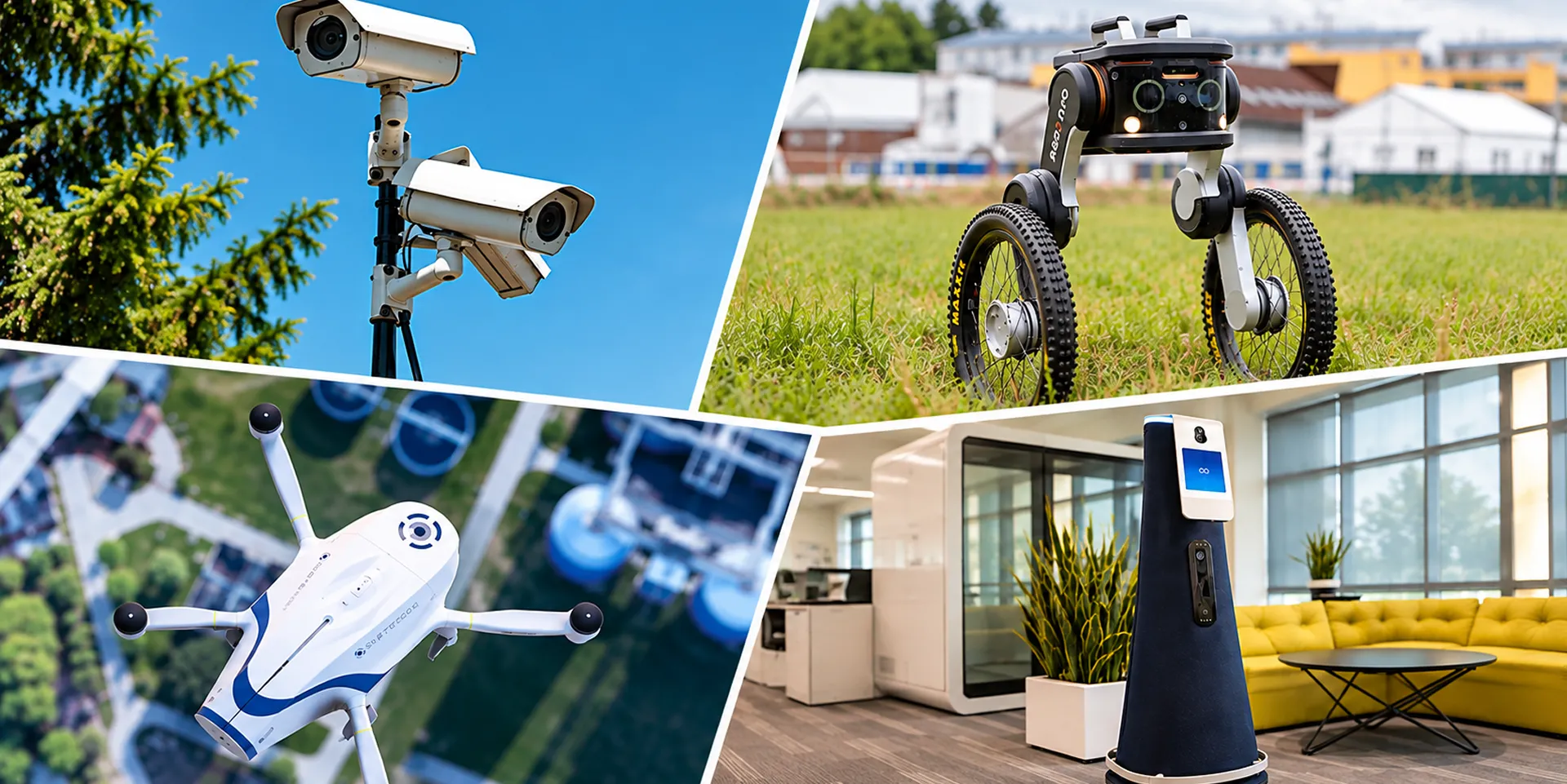
Different security technologies are not interchangeable. A camera, a drone, an indoor robot, and an outdoor robot all improve security, but they do not solve the same challenges.
Indoor robots are best for regular checks in buildings like hospitals or offices. They support routine surveillance in predictable indoor spaces, helping teams to:
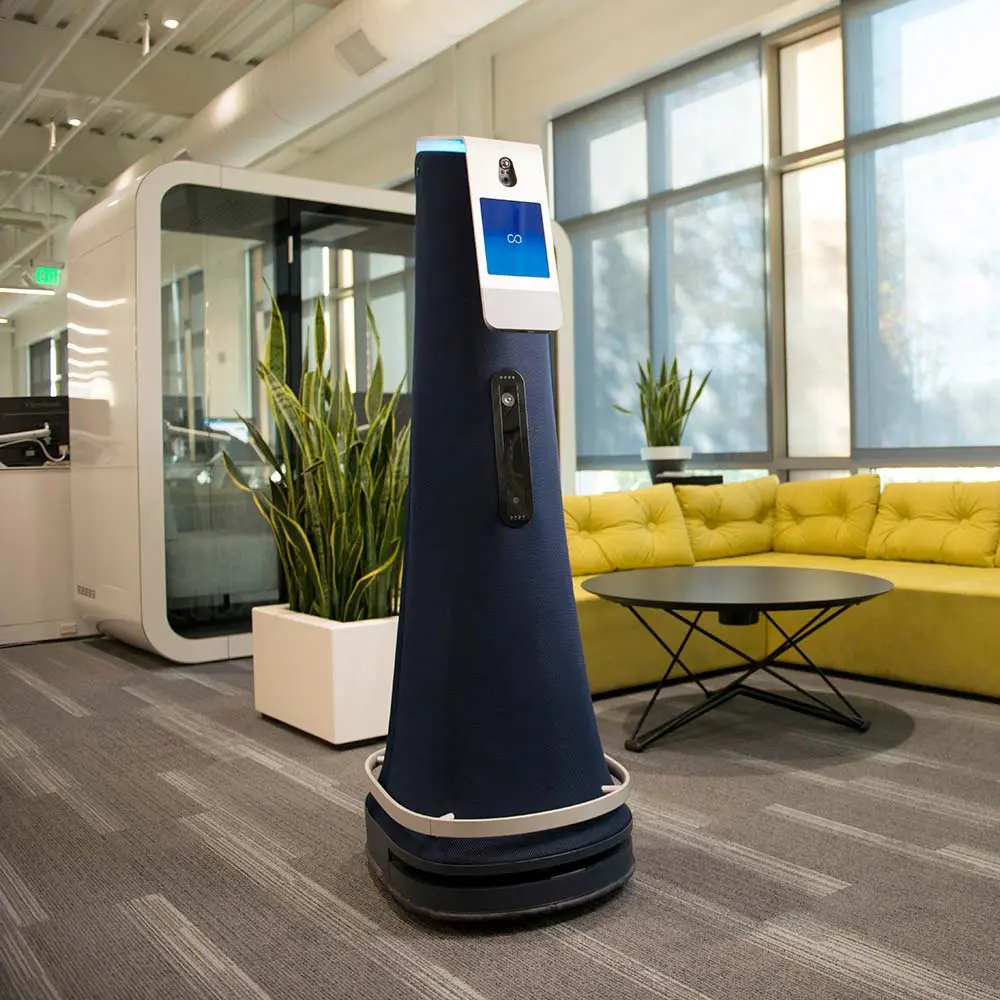
Their strength is operating in predictable environments with smooth floors, stable lighting, reliable connectivity, and structured layouts that make indoor navigation easy and repeatable.
Their limitation, however, is that they are not designed for large-scale, outdoor patrol introducing uneven terrain, weather exposure, longer distances, and less predictable conditions.
Thus, choose indoor robots when the main problem is routine visibility inside a controlled building.
Some security situations require a quick overview. For example, when an alarm is triggered across a large site, the immediate question is: What is happening there right now?
This is where drones are useful. They can be deployed quickly and provide an aerial view of a situation, helping security teams:
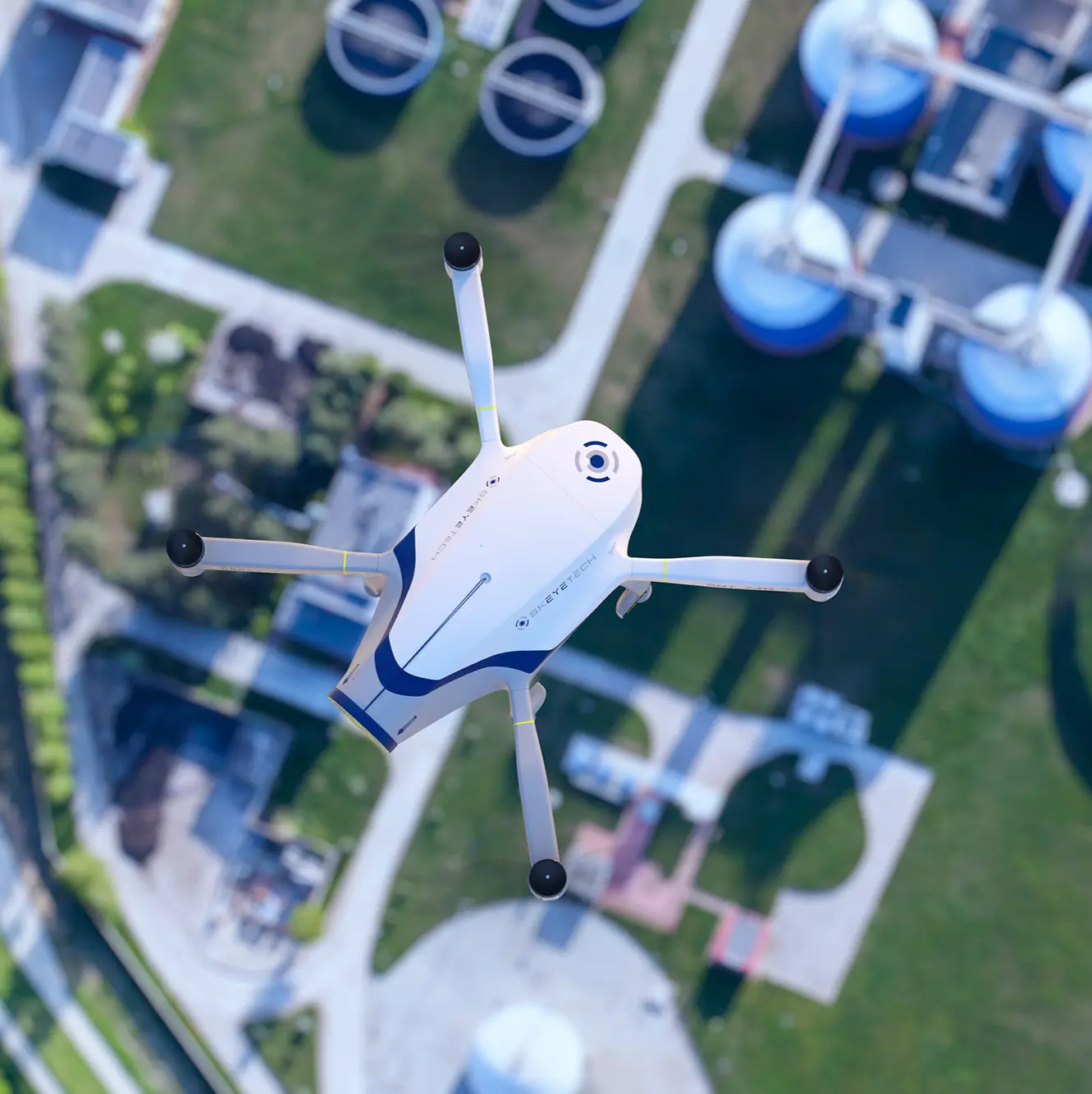
Their strength is speed: a drone can cover distances quickly and provide a top-down perspective that ground-based systems cannot offer.
That said, they are not built to patrol for hours: drones are useful for rapid assessment, but they are generally not the best solution for continuous, multi-hour patrol coverage. They are better suited for checking a situation than maintaining a constant physical presence.
Choose drones when the main problem is fast incident verification, not continuous patrol.
Some security risks are tied to a specific point: a gate, a door, a loading dock, a restricted zone, or a parking entrance. In these cases, the main challenge is not mobility, but making sure one defined location is monitored continuously.
This is where static cameras are most effective.
Cameras are useful when security teams need to:
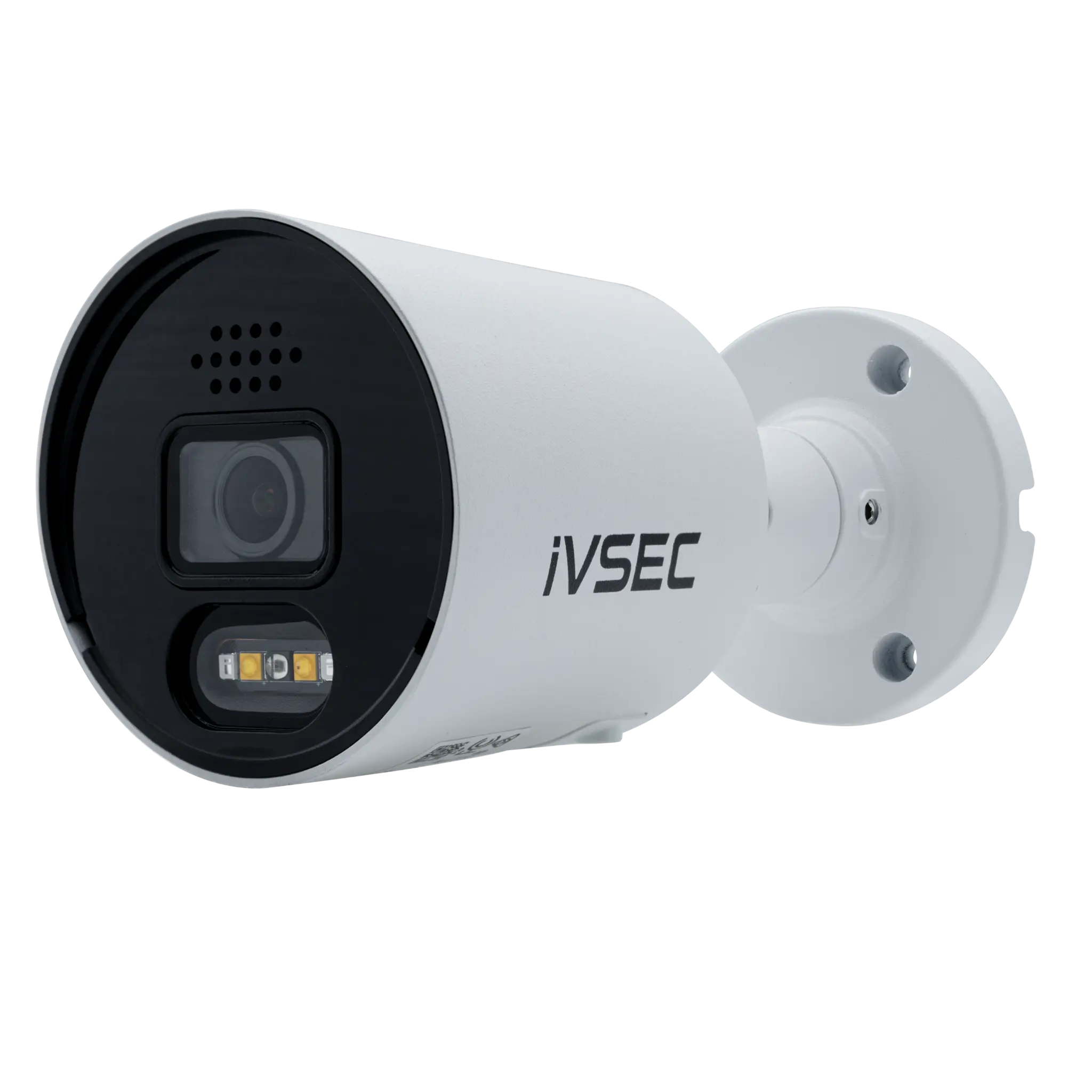
Their strength is that they watch the same place continuously. Once installed, they can monitor the same location continuously.
Their limitation is also clear: cameras only cover the area they can see. If the risk moves outside the camera’s field of view, the system cannot physically follow it or inspect another part of the site.
Thus, choose cameras when the main problem is watching one specific place, not mobile patrol coverage.
Large outdoor sites create a different security challenge. The issue is not only seeing one fixed point or checking an incident quickly, but patrolling the same large area again and again across a changing environment.
This is where outdoor security robots are most relevant.
Outdoor robots are designed to patrol large outdoor areas autonomously. They are particularly useful for sites such as:
In these environments, security teams often need to cover long distances, check multiple areas, maintain visibility at night, and document patrol activity consistently.
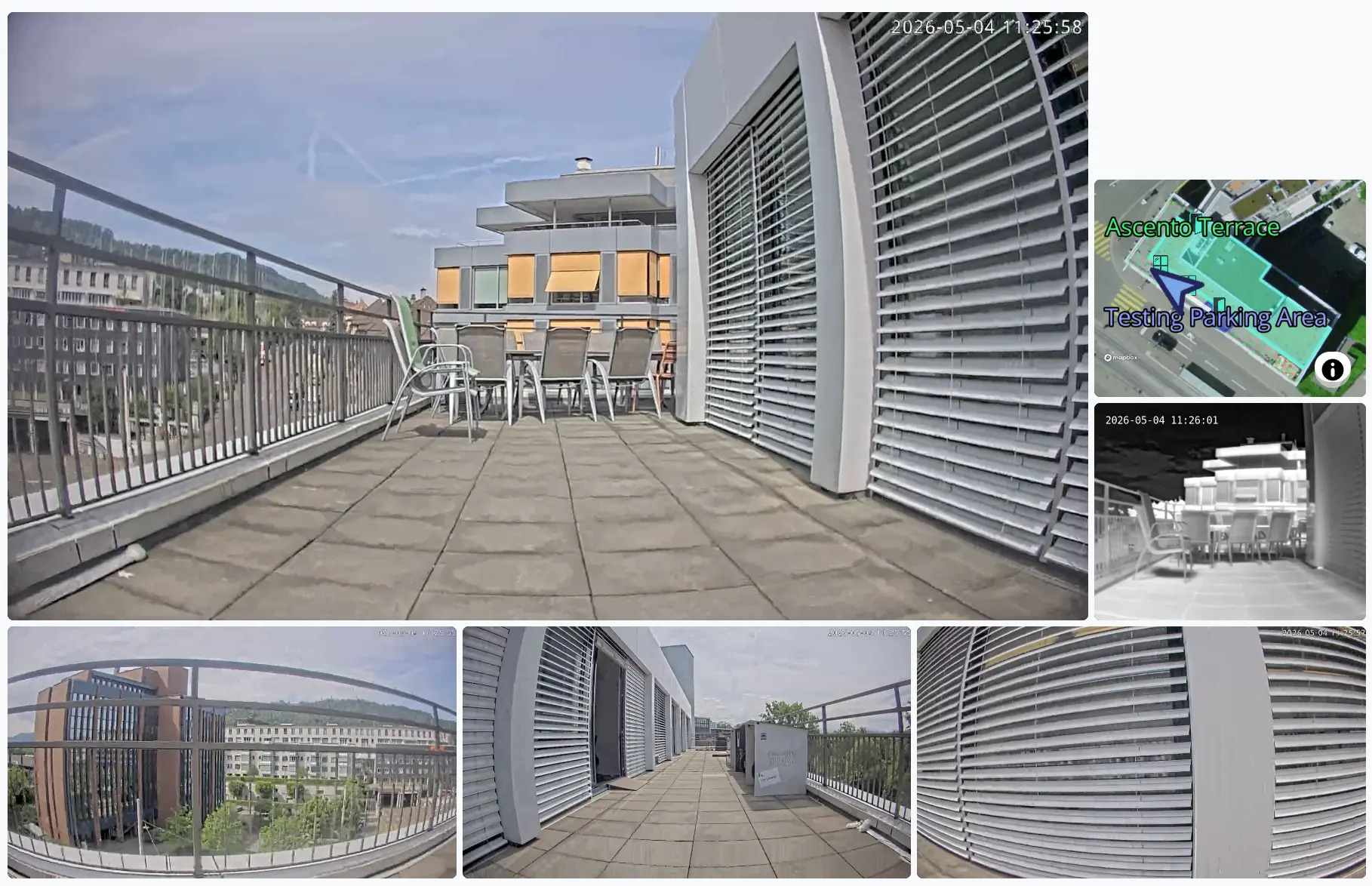
Outdoor robots help patrol predefined routes, maintain physical presence, alert operators when something needs attention, and create records of completed patrols.
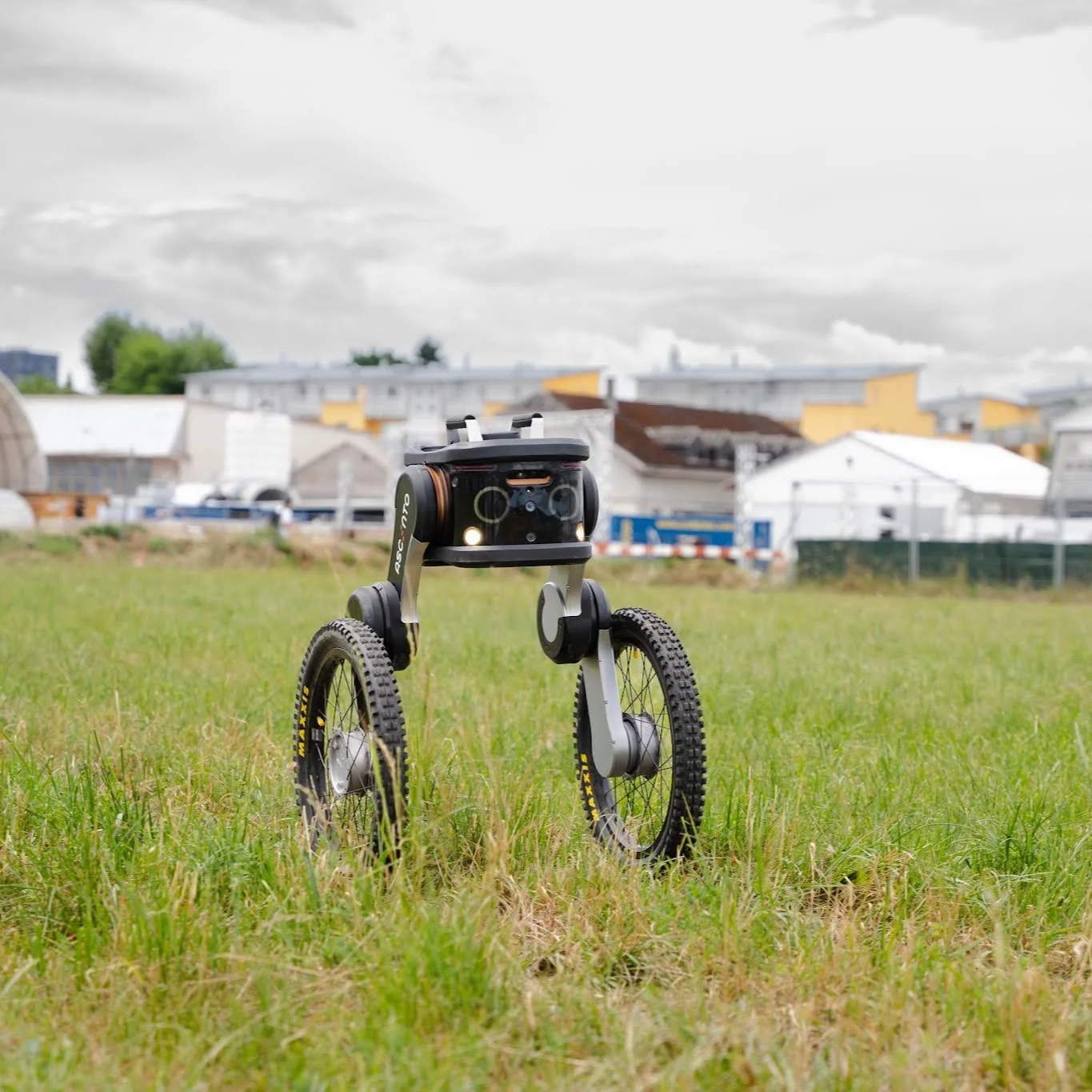
Their strength is flexibility and reliability: they are mobile, designed to patrol for hours, and built for complex outdoor conditions such as uneven terrain and unpredictable weather.
Their purpose is not to replace human guards, but to take over repetitive patrol work so human teams can focus on judgment, escalation, and response.
Hence, choose outdoor robots when the main problem is continuous patrol coverage across a large outdoor site.
Most security solutions try to cover multiple use cases and be as versatile as possible.
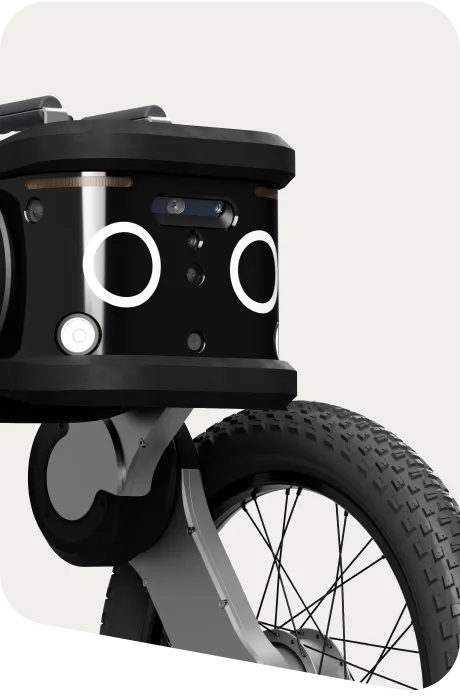
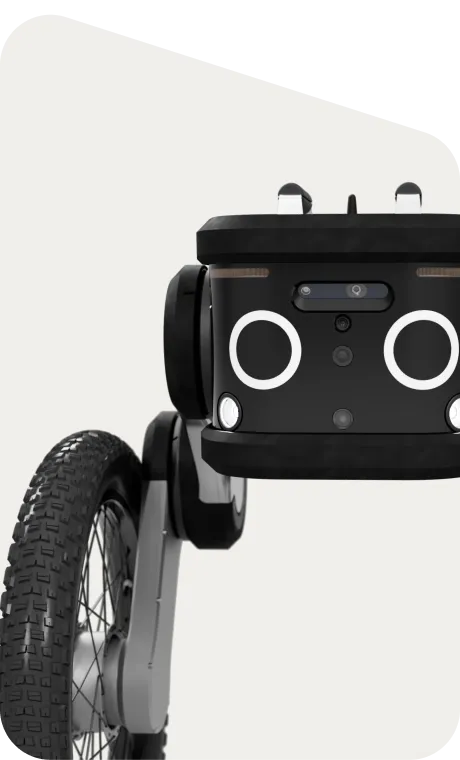
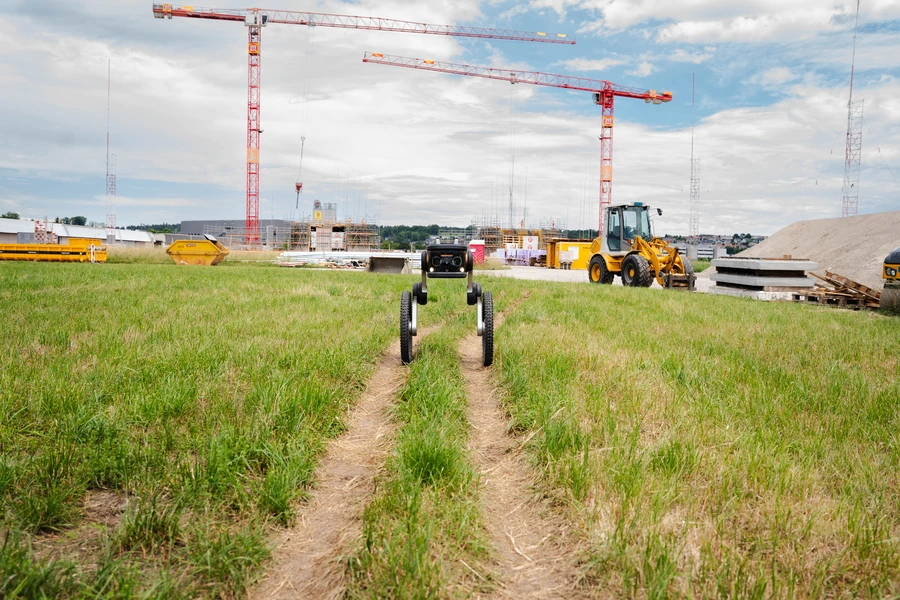
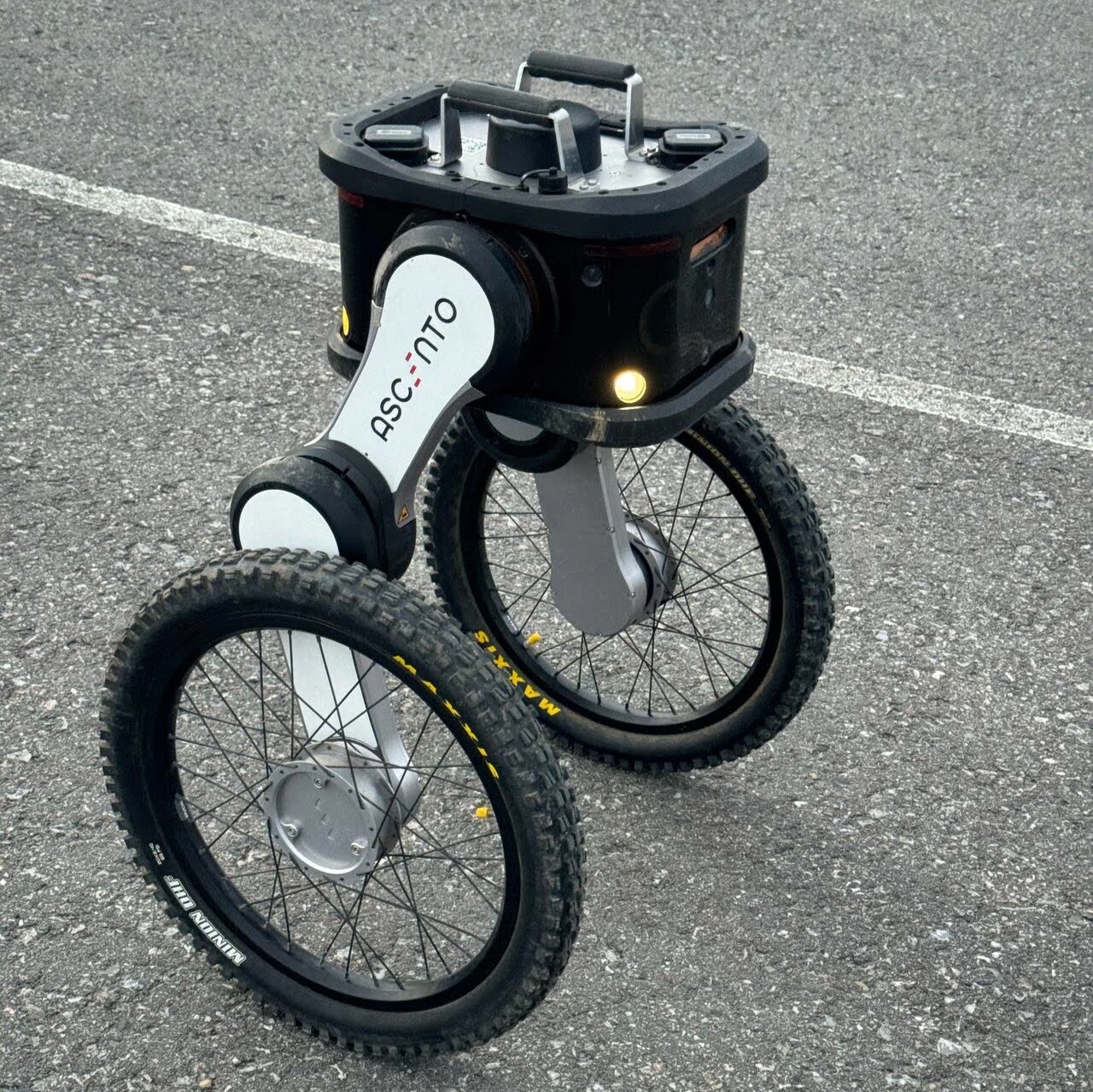
In practice, however, large outdoor sites create patrol challenges that require specialized systems. Ascento Guard is specifically built for these environments:
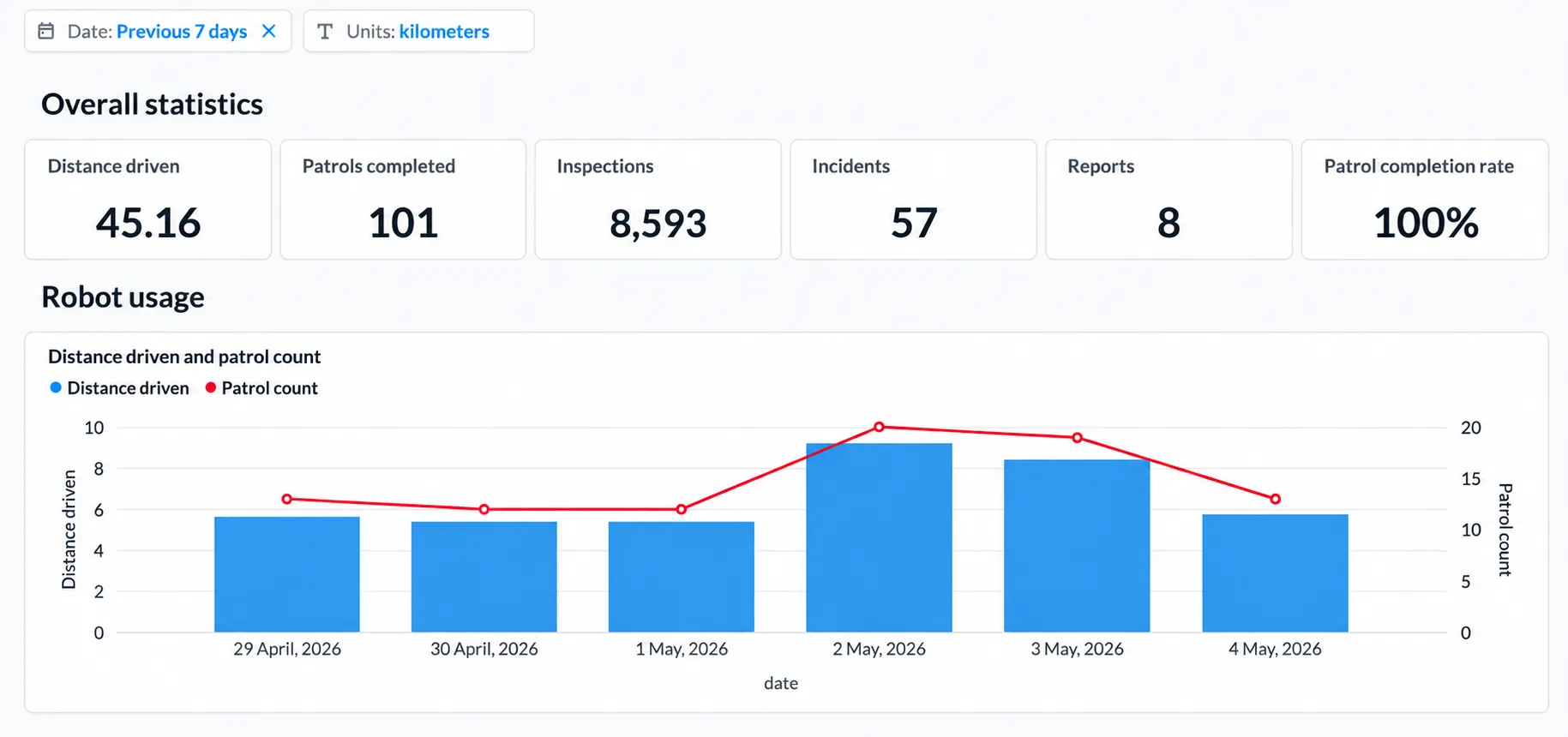
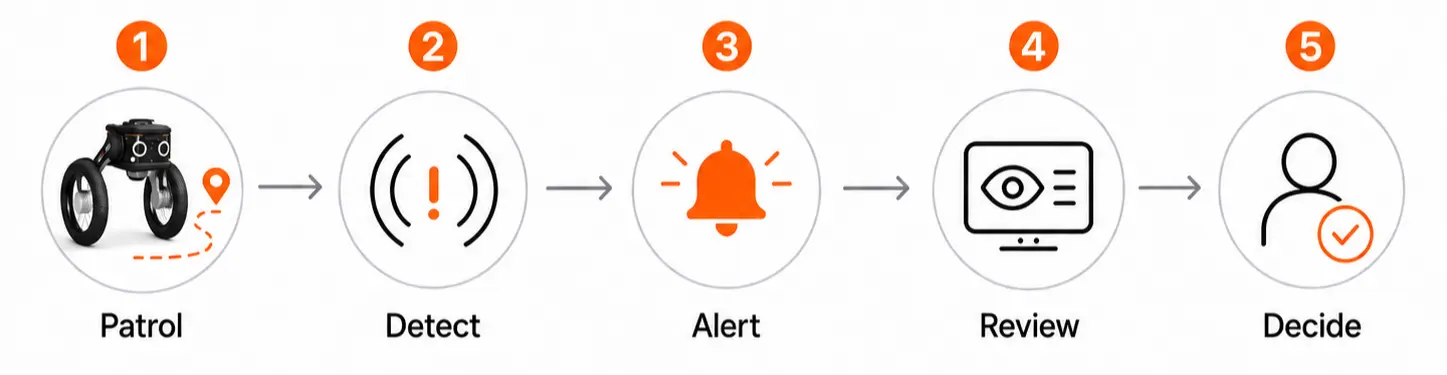
As security teams face growing pressure to maintain 24/7 coverage with limited personnel, specialized security systems provide a way to cover larger areas without adding the same number of guards to improve patrol consistency, site visibility, and reaction speed.