The Benefits and Limitations of Security Robots

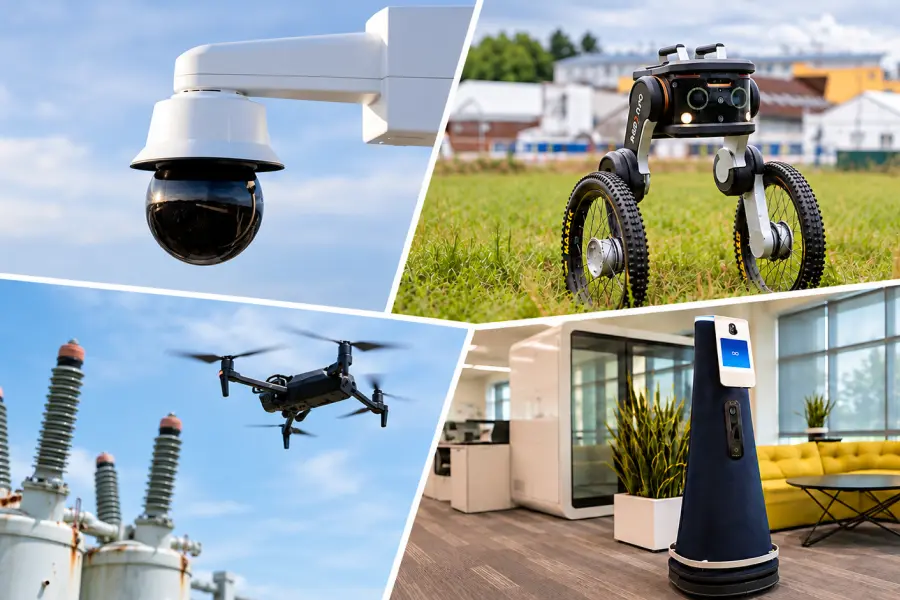
Autonomous security robots’ value lies in handling repetitive security operations consistently, while human guards remain responsible for judgment, decision-making, and intervention.
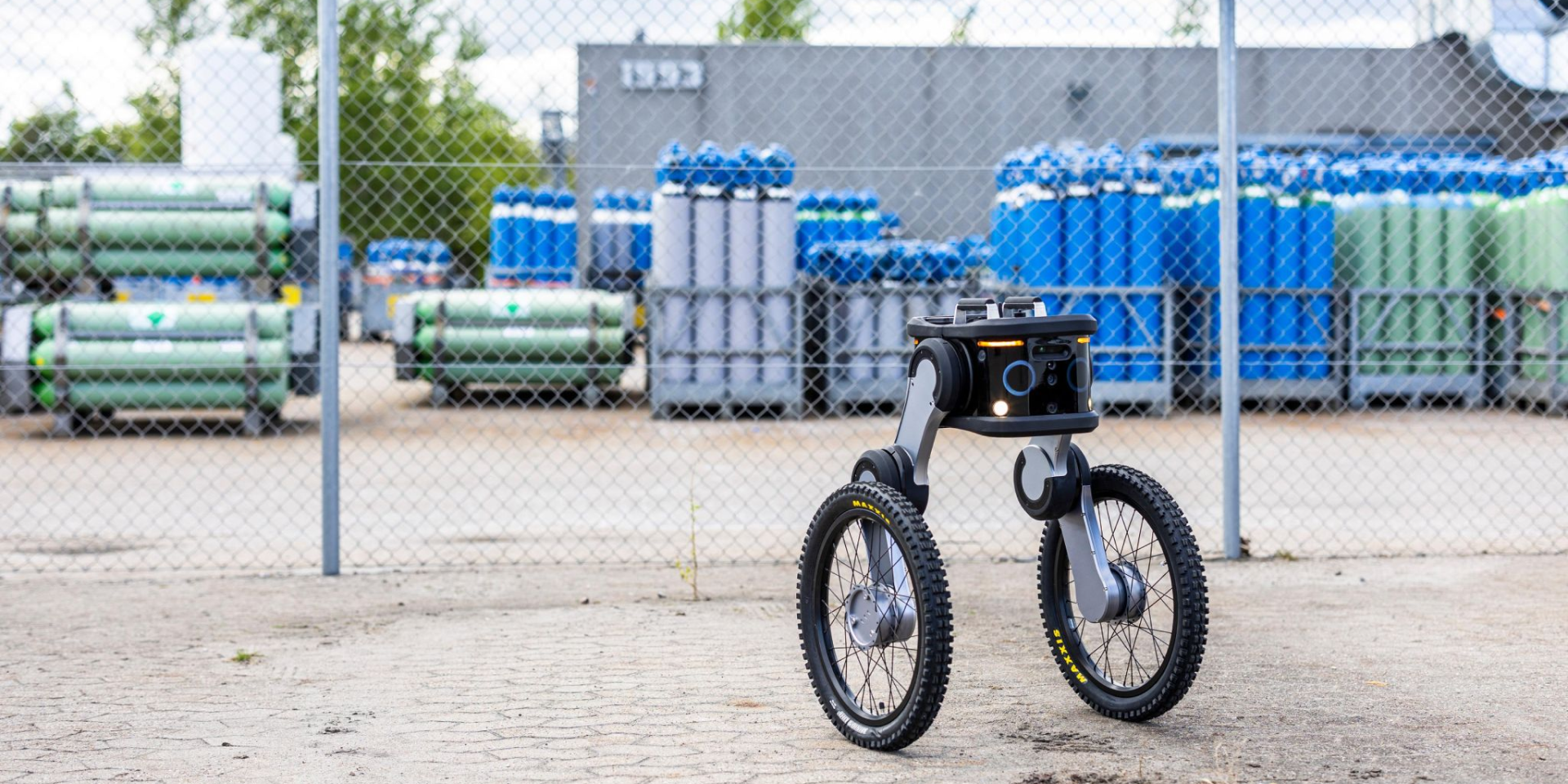
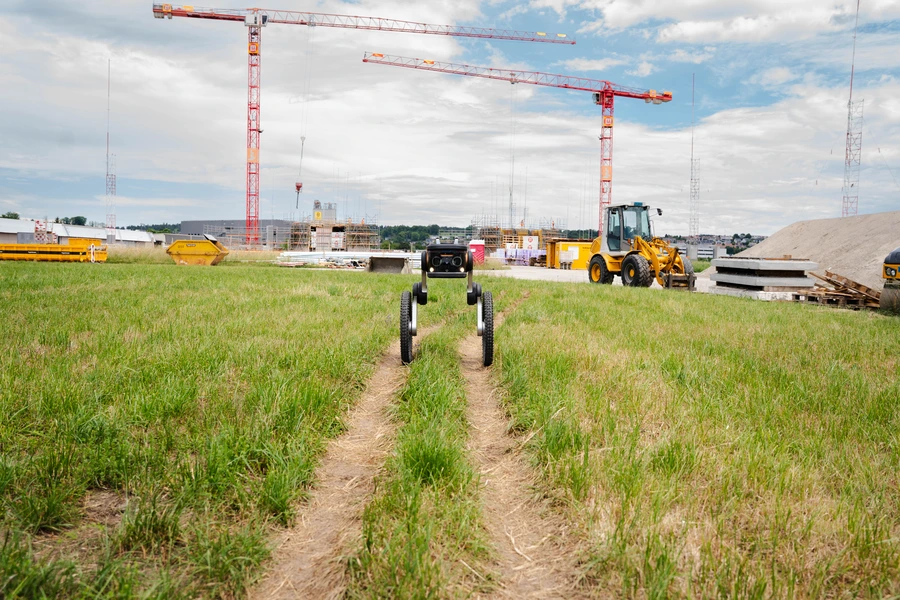
Autonomous security robot patrolling a fenced industrial facility with equipment stored in the background.

Security teams are being asked to cover more ground with fewer people. A guard may need to check long fences, parking lots, gates, and buildings, often at night or in bad weather. Hiring more people is difficult and expensive, and cameras alone cannot physically patrol a site.
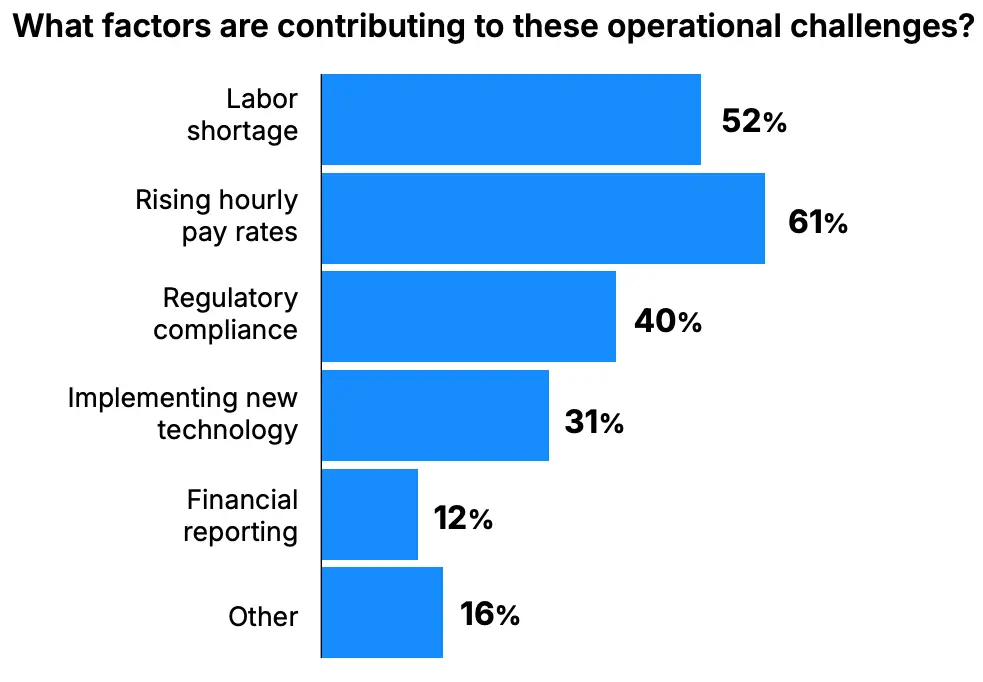
Bar chart showing factors contributing to operational challenges: rising hourly pay rates 61%, labor shortage 52%, regulatory compliance 40%, new technology 31%, other 16%, and financial reporting 12%.
Source: Physical Security Operations Benchmark Report 2025, trackforce

To handle these challenges, many companies are using security robots to take care of the repetitive patrol work, which frees up human guards to focus on the decisions and situations that require a person’s judgment, communication, or intervention.

Why Autonomous Security is Growing

Traditional patrols become harder as sites get larger and operations run around the clock:
  • Large outdoor areas are hard to patrol fully
  • Night shifts are difficult to staff consistently
  • Repetitive patrols can become tiring and inconsistent
  • More patrol hours usually mean higher guard costs
  • Cameras can watch an area, but they can’t physically patrol it
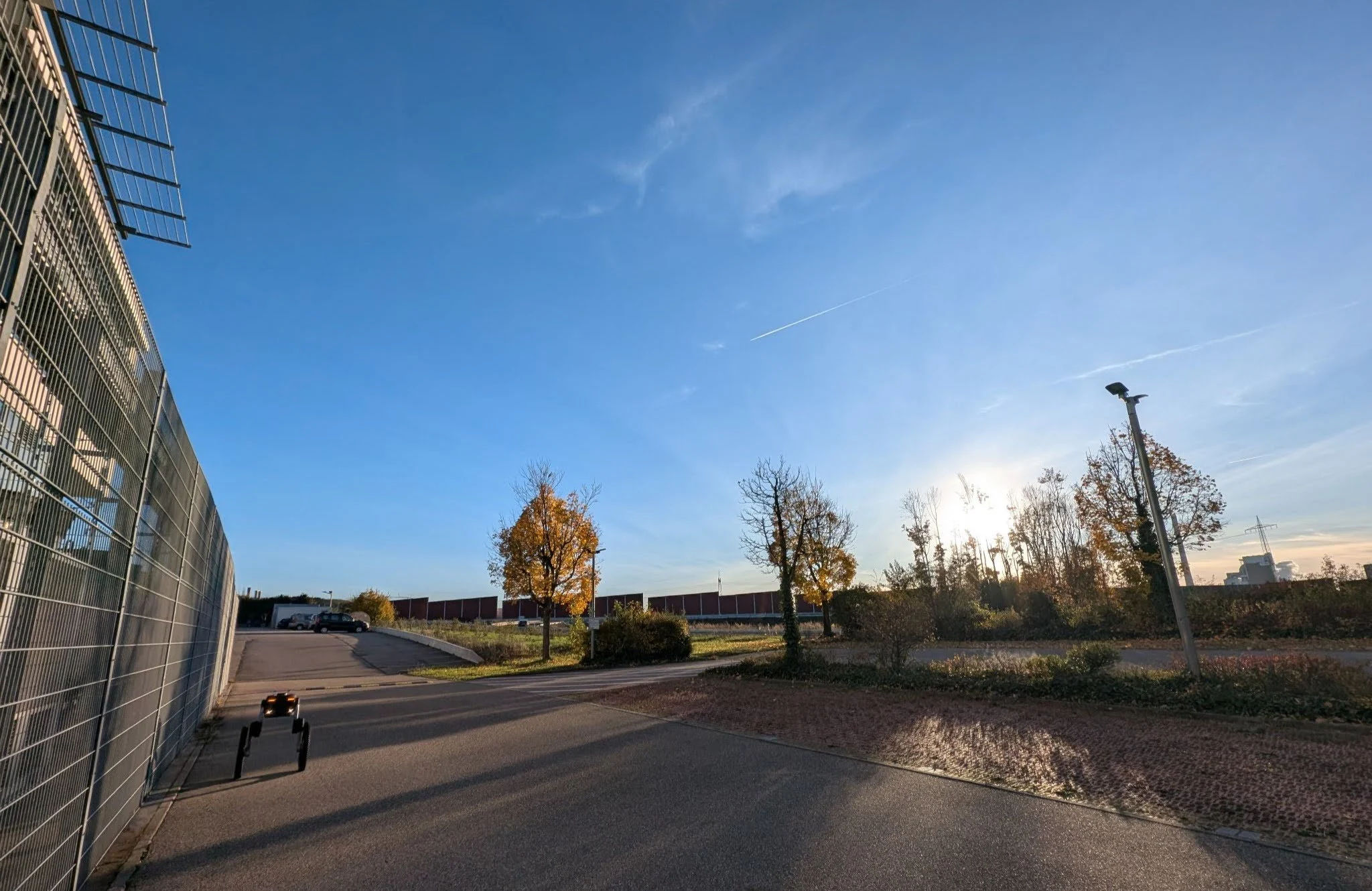
Autonomous security robot patrolling an industrial facility perimeter at sunset.

Security robots can take over the routine patrols, leaving human guards more time to check alerts, assess situations, and respond when something happens. Rather than replacing human guards, these systems are designed to address a fundamental challenge: helping teams patrol the same areas again and again without increasing headcount at the same rate.

In practice, robots can support security teams in four main ways:
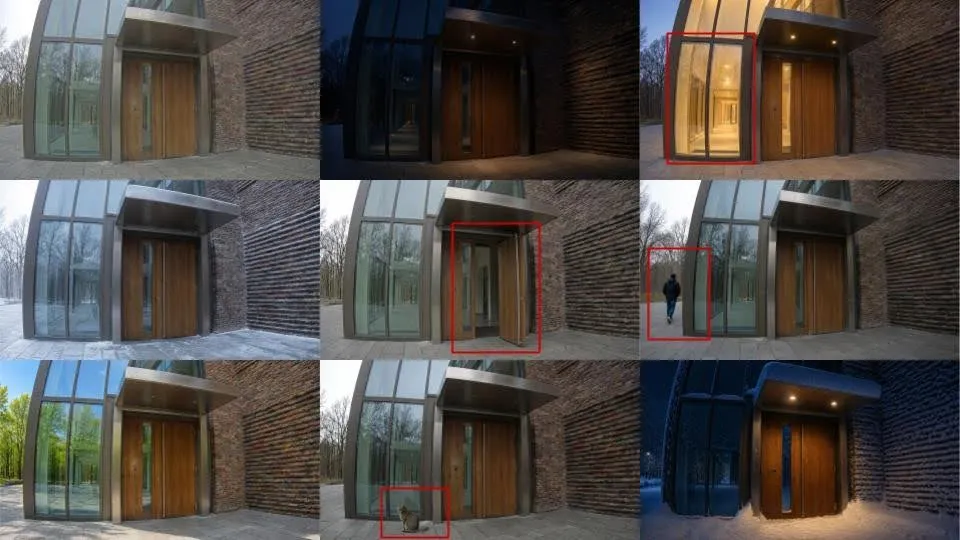
  • Consistent patrol coverage: Robots execute predefined routes consistently and without fatigue, ensuring reliable monitoring and incident detection.
Security camera image sequence detecting an open door, a person, and an animal near a building entrance.
  • Extended monitoring hours: They can extend monitoring hours without increasing guard headcount at the same rate, especially during low-activity hours.
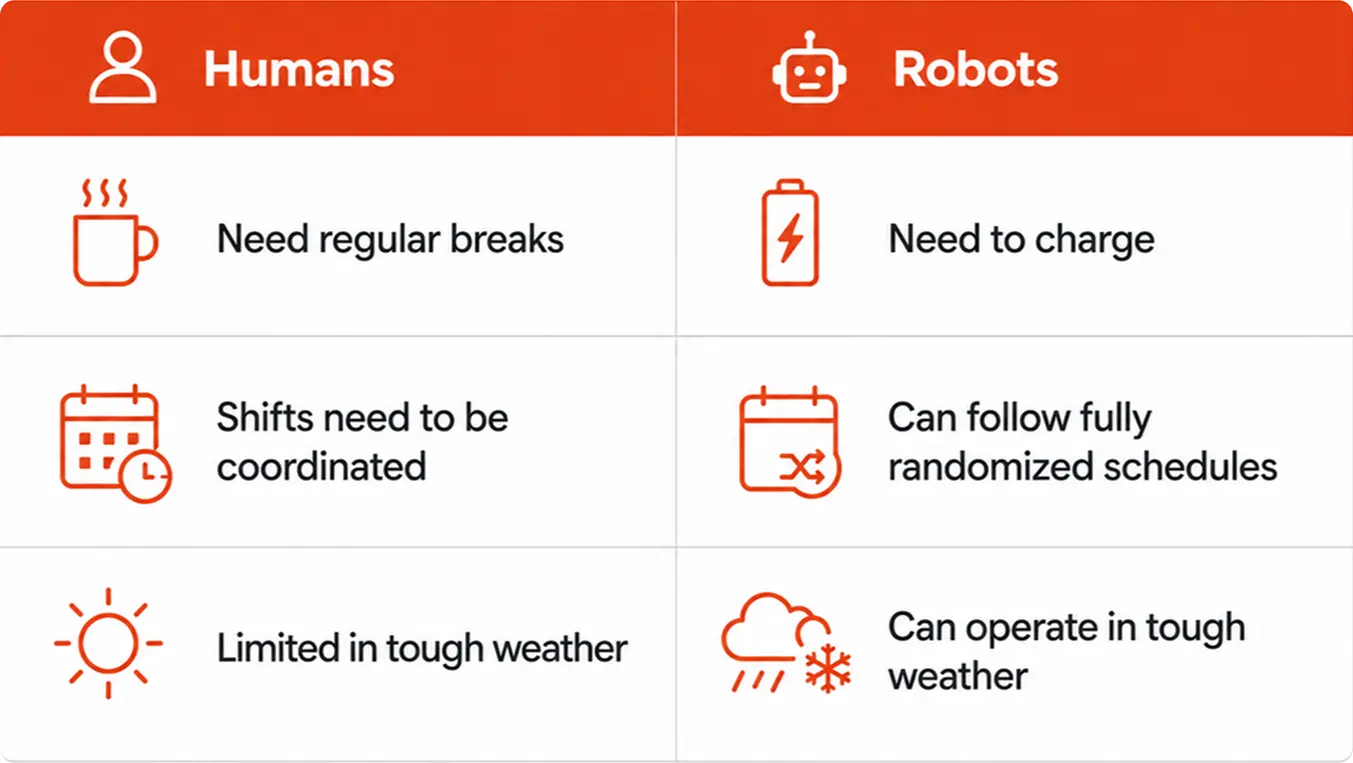
Comparison chart showing humans need breaks, coordinated shifts, and have weather limits, while robots require charging, follow randomized schedules, and operate in tough weather.
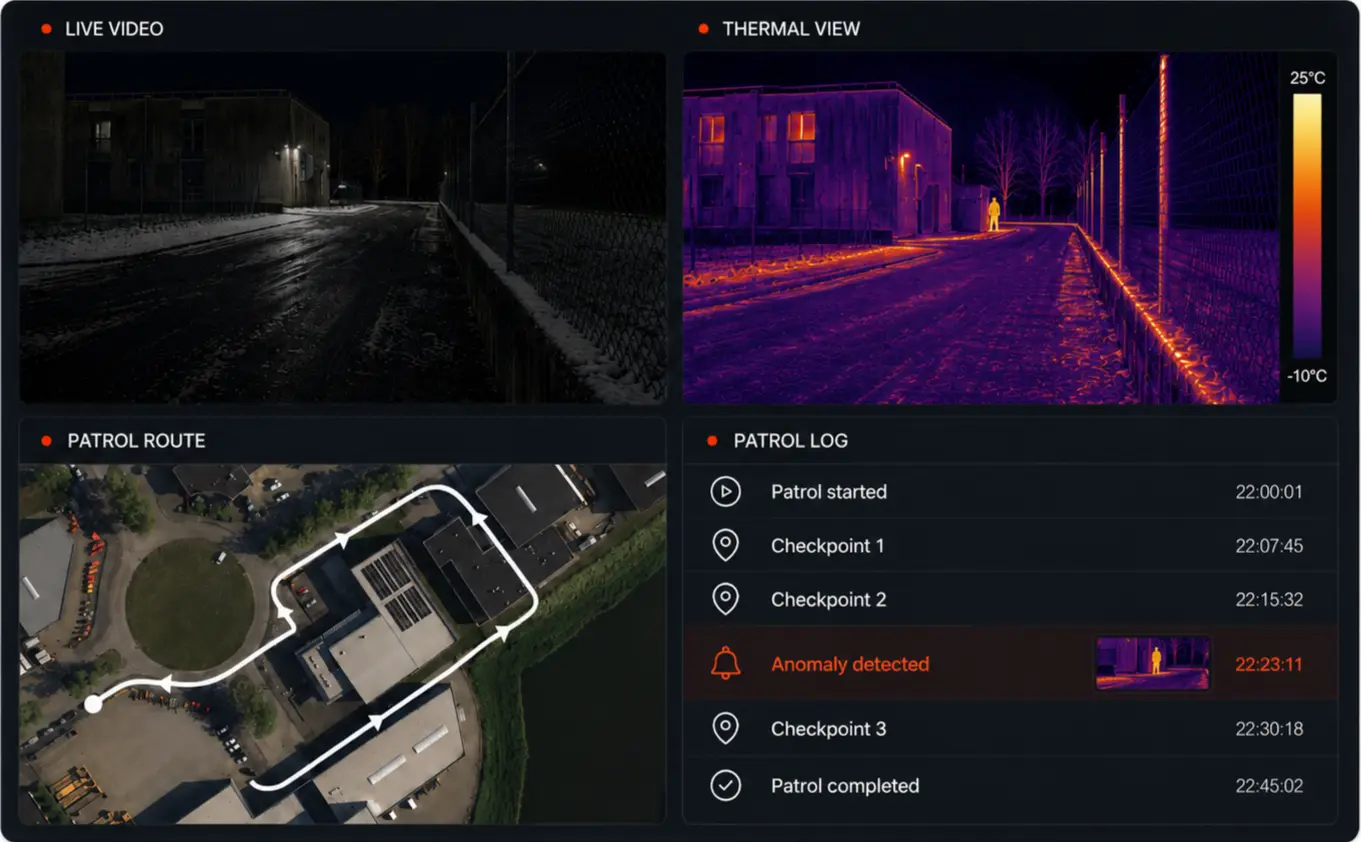
  • Better visibility and documentation: Advanced security robots offer 360-degree cameras, thermal imaging, and activity tracking, showing that patrols actually happened and providing footage to review incidents later.
Security monitoring dashboard showing live and thermal video, an autonomous patrol route, and a patrol log highlighting a detected anomaly.
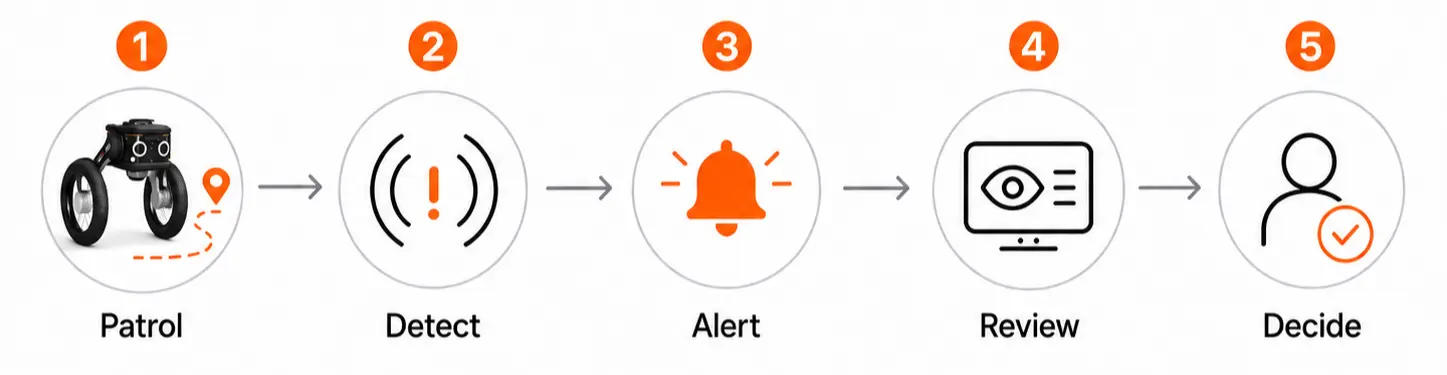
  • Faster alerts to the right people: During a patrol, the robot automatically checks for unusual activity. If it detects something, it directly sends an alert to a human operator, who can then review the situation and decide how to respond.
Five-step autonomous security workflow: patrol, detect, alert, review, and decide.

Limitations of Security Robots

A realistic deployment also requires understanding the limitations of autonomous security robots. These include:
  • Does not replace human judgment: A robot can notice that something is unusual but it cannot understand the full situation like a trained person can. It cannot judge someone’s intent, calm down an angry person, or decide how to manage an emergency.
  • Can’t interact with its surroundings: A robot can detect and report what is happening, but it cannot physically act on the environment: open doors, move obstacles, stop a person, or repair damage. If physical action is needed, a human still has to intervene.
  • Basic requirements needed: A robot needs reliable connectivity and GNSS signal to send alerts, video, and patrol data and to know where it is outdoors.
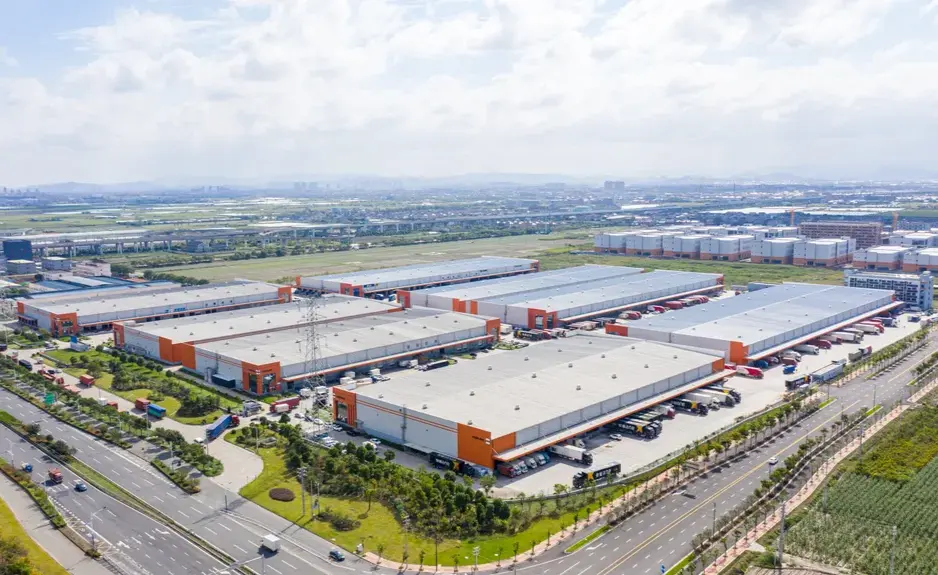
Aerial view of a large industrial logistics complex with warehouses, loading docks, roads, and surrounding infrastructure.

Ascento's Human-Robot Collaboration

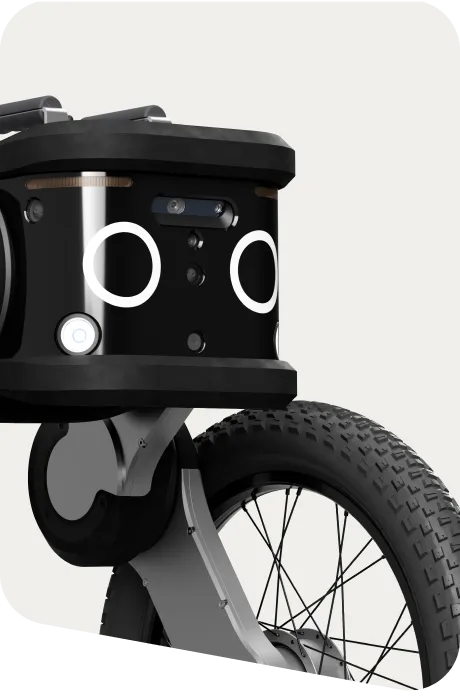
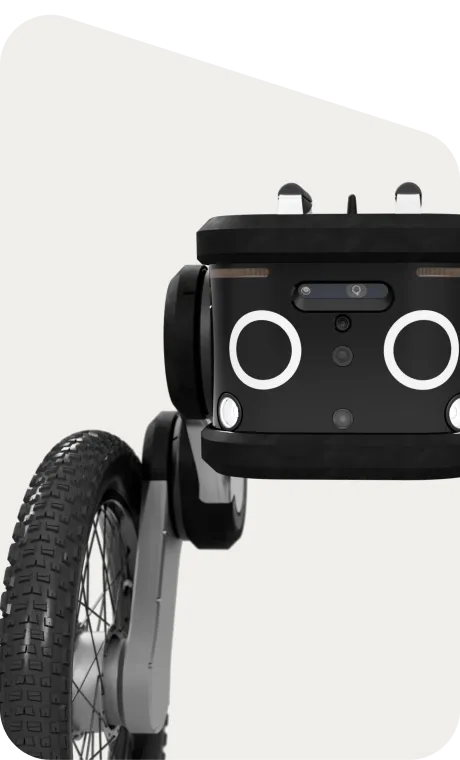
Outdoor patrols are difficult for many robots: they need to drive on uneven ground, ramps, obstacles, rain, darkness, or construction areas. Ascento Guard is built specifically for this kind of outdoor patrol, using a wheel-leg mobility system to move through changing environments.
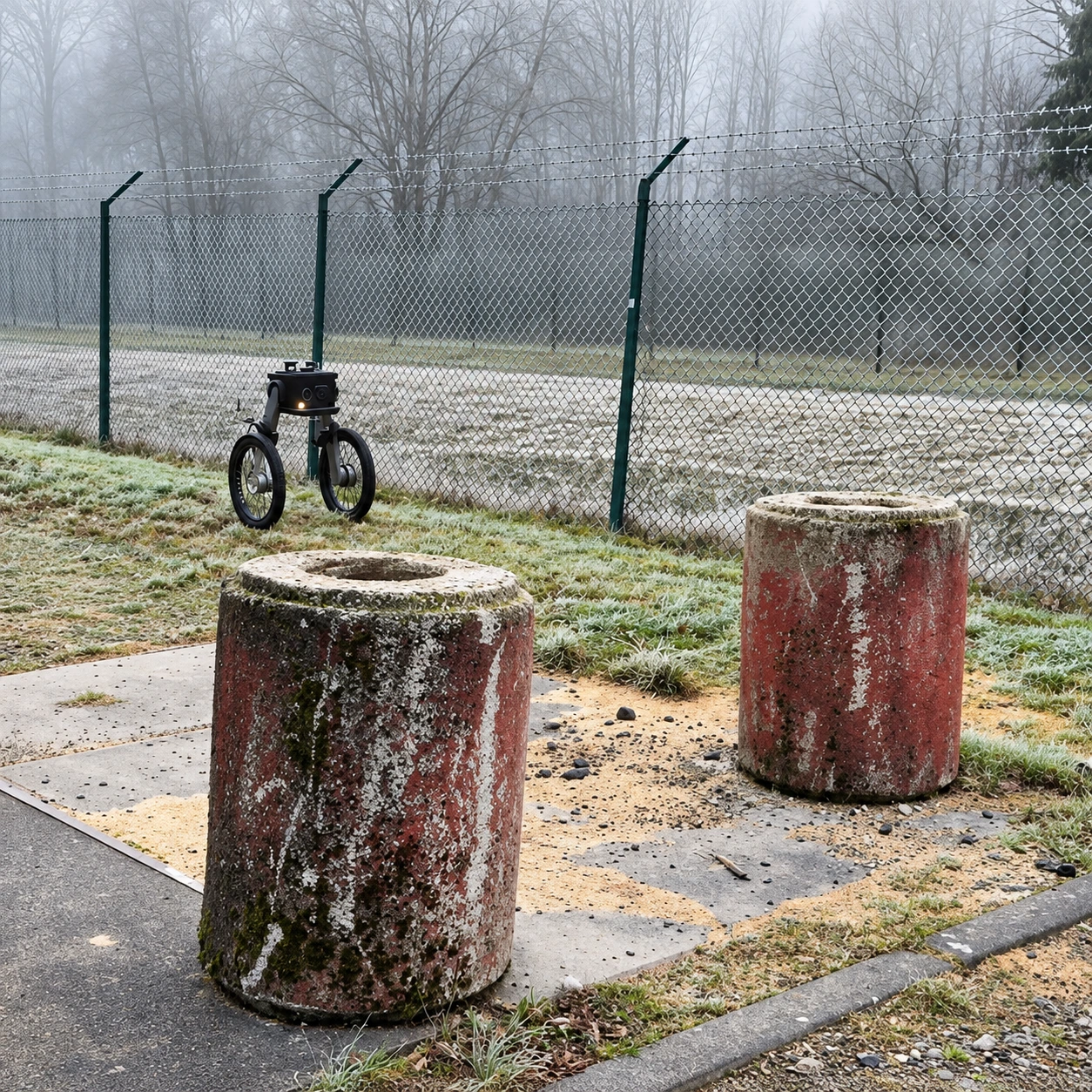
Autonomous security robot patrolling a fenced industrial perimeter in snowy winter conditions.

Ascento Guard can take over routine outdoor patrols that are tiring, repetitive, or hard to staff consistently, helping teams monitor predefined areas.

When an unusual activity is detected, the robot alerts human operators, who check if the alert is real, decide what needs to happen, contact the right people, and coordinate the response. This allows security teams to evaluate situations remotely and respond according to their existing operational protocols.

Autonomous robots are most useful when they handle the repetitive patrol work that is difficult to staff consistently. They don’t replace trained guards, but instead support them by checking routes, sending alerts, and documenting what happened. 

The strongest security model is not robot or human, but robot and human: robots provide patrol coverage, while people stay responsible for judgment, response, and control.
‍