Article
October 23, 2026
The Future of Autonomous Security Robots
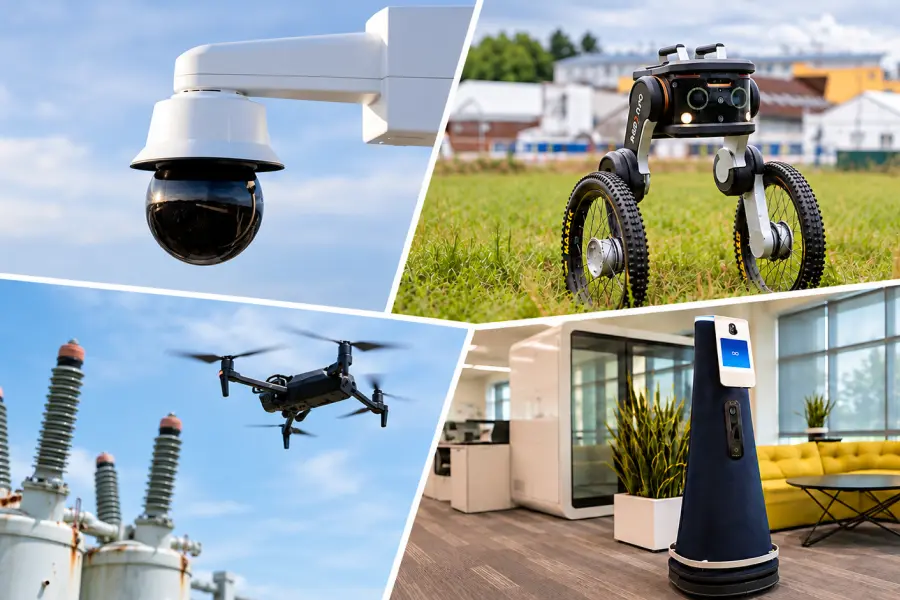
Large sites will increasingly treat robotic patrol the same way they now treat CCTV systems: not as experimental technology, but as standard infrastructure.
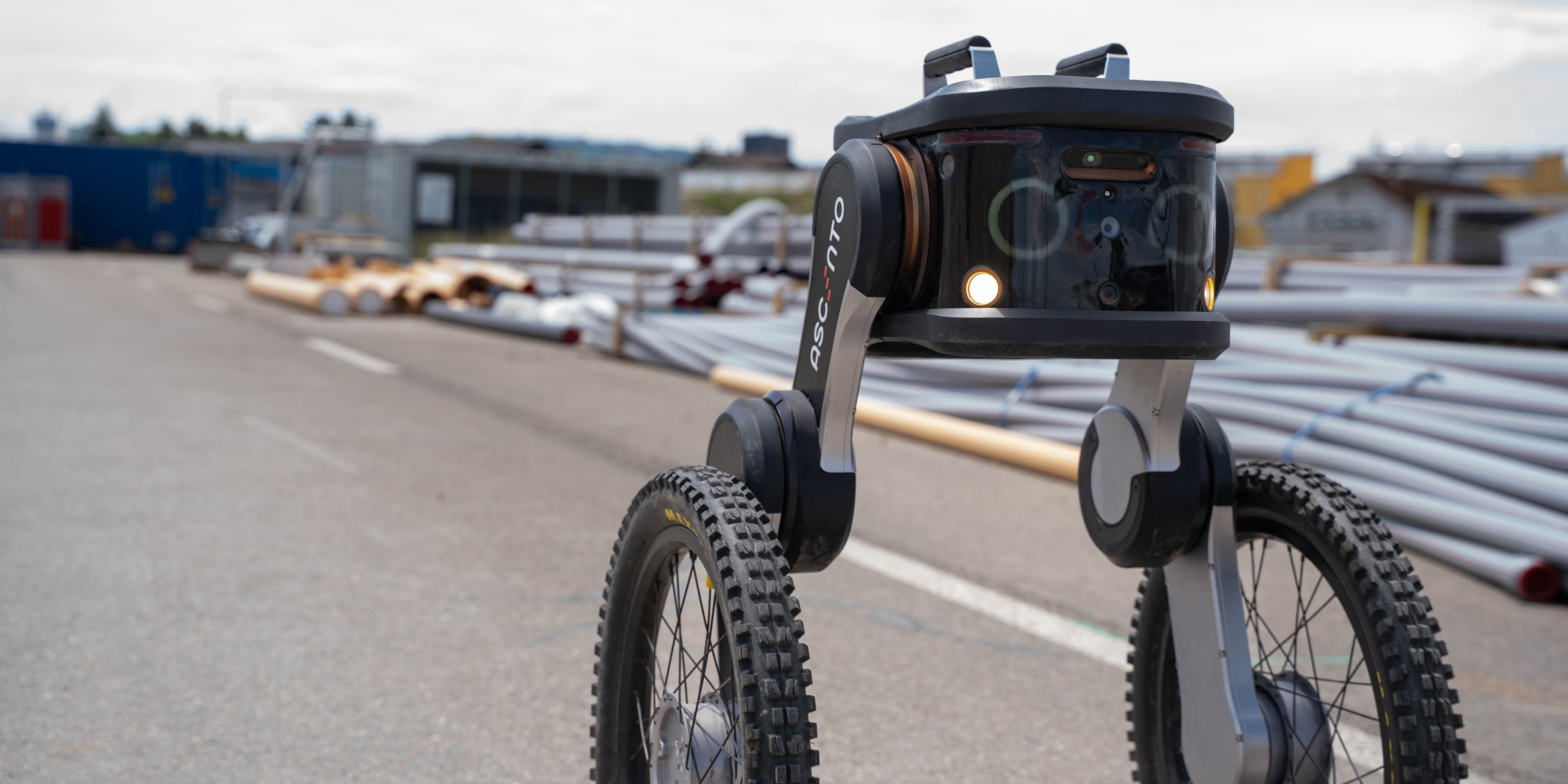
Large outdoor sites are under pressure. Security leaders are being asked to protect wider perimeters, maintain stronger visibility, and close response gaps, often without the staffing flexibility to simply add more guards to every shift.
That is only one of the many reasons outdoor security robots are moving from a futuristic idea into a practical operational tool. For sites with large outdoor areas, routine patrol demands, and low-activity hours, autonomous patrol can add a new layer of coverage that supports human teams instead of replacing them.
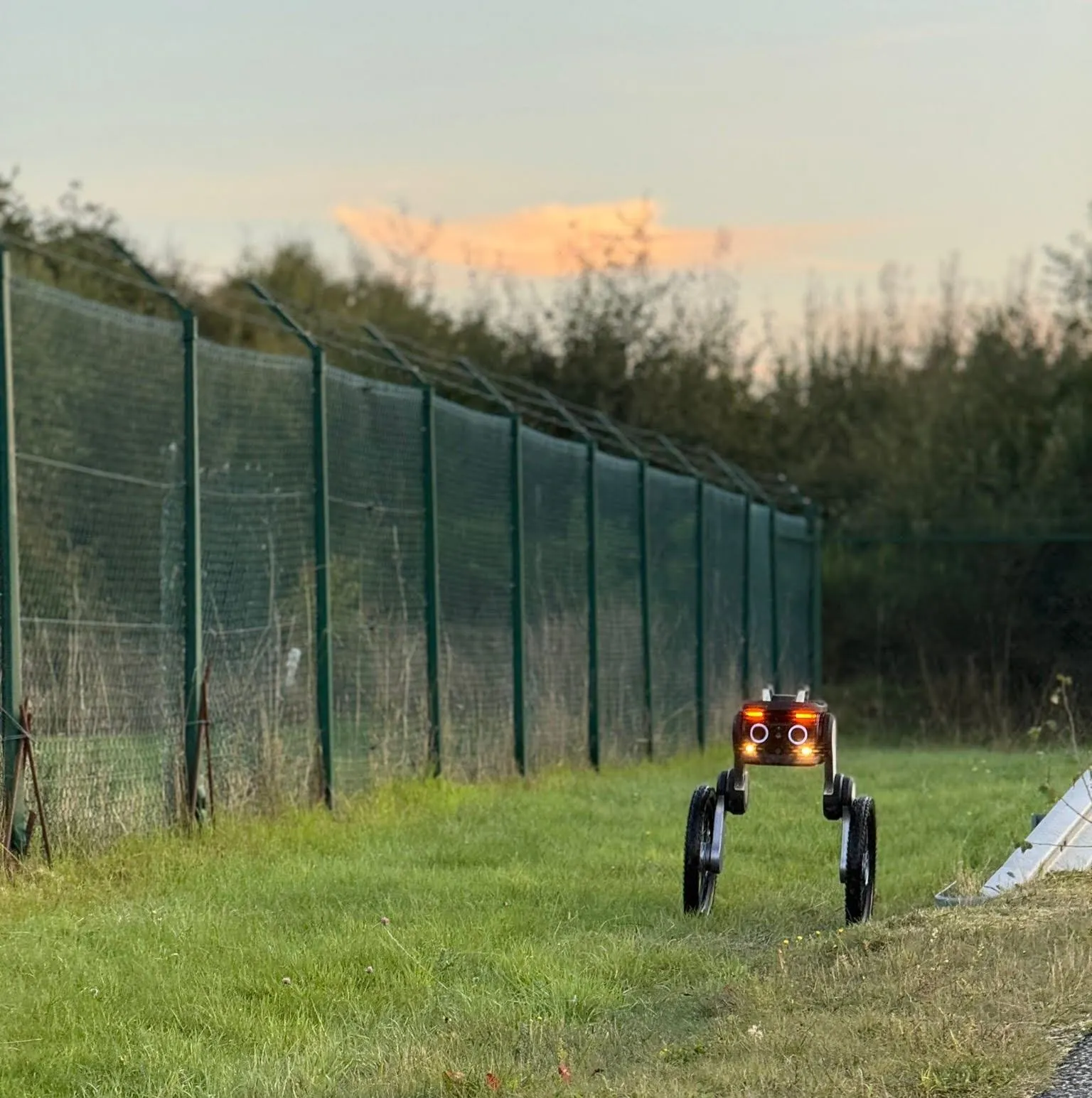
Their role is not to make security fully automatic, but rather to handle routine coverage tasks consistently, especially in areas where manual patrol is repetitive, time-consuming, or difficult to scale.
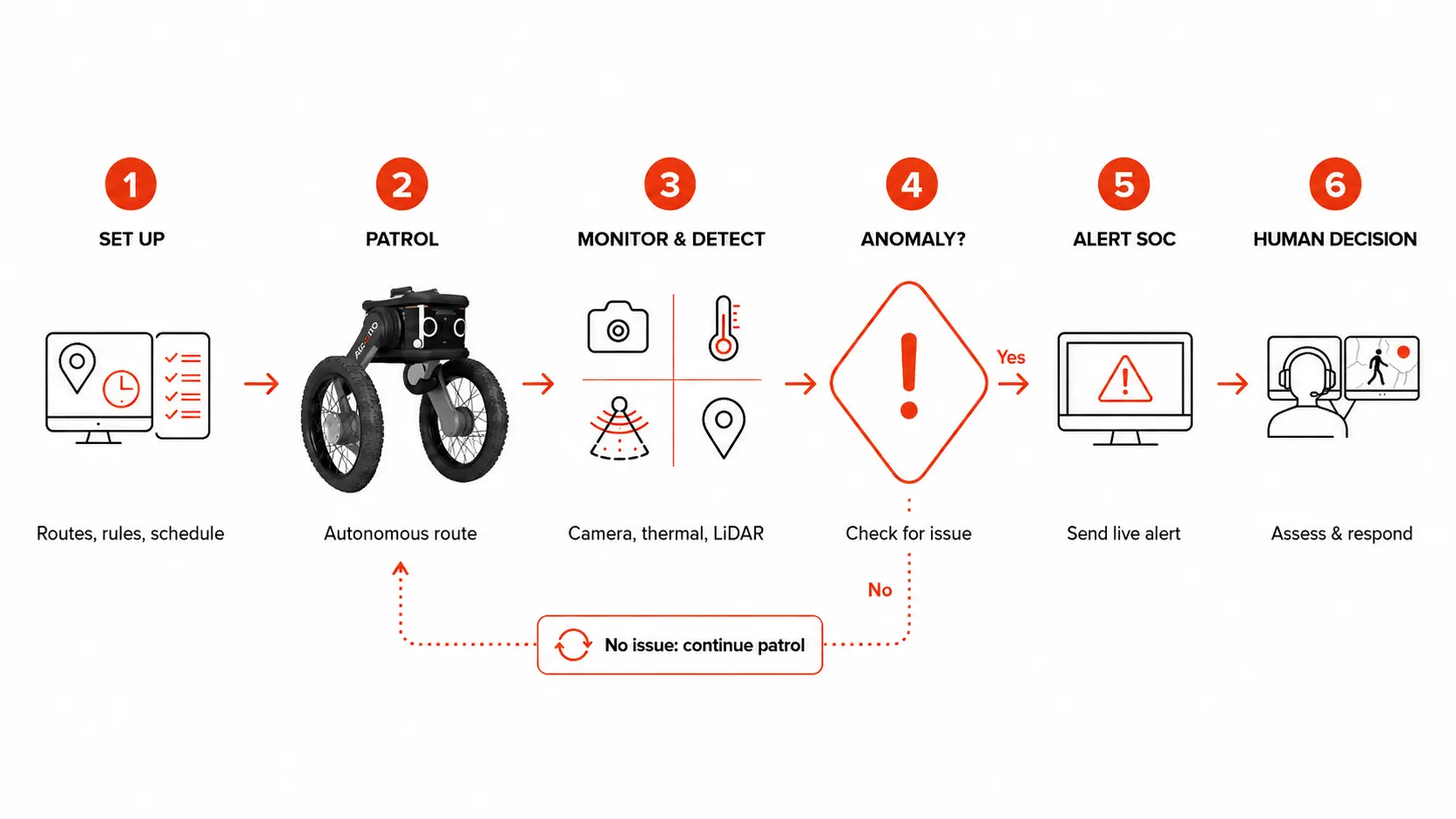
Firstly, the outdoor security robot is set up around the security needs of the site. The security team defines where it should patrol, what it should detect, when it should operate, and what should happen if a potential issue is found.
Once deployed, the robot follows defined patrol routes and continuously monitors its environment using a combination of technologies such as standard video cameras, thermal imaging, LiDAR, and positioning systems. These systems help the robot move safely, understand its surroundings, and detect predefined anomalies that may require attention.
If the robot detects something unusual, it then sends live information and an alert directly to the SOC, where a human operator can review the situation, assess whether the activity is normal or suspicious, and decide on the right response. On the other side, if nothing unusual is detected, the robot simply continues its patrol.
The demand for outdoor robotic security is growing because many sites face the same structural challenge: they need reliable patrol coverage without increasing costs linearly with the size of the site or the frequency of patrols.
Large outdoor properties often require repeated patrols, night coverage, documentation, and fast escalation when something happens. Doing all of that with only human patrol resources can become expensive, inconsistent, or both.
Autonomous patrol changes that equation by making it easier to maintain persistent coverage, improve auditability, and support more predictable operations. That is especially relevant in low-activity hours and difficult weather conditions, when large areas still need monitoring even though fewer people are on site.
In security operations, what matters is whether the system can be trusted to perform consistently in real operating conditions. This is due to the demanding nature of security environments: rain, darkness, uneven terrain, long patrol durations, and changing site conditions all create friction for autonomous systems. If a robot cannot patrol reliably in those conditions, its advanced features won’t be able to be trustworthy.
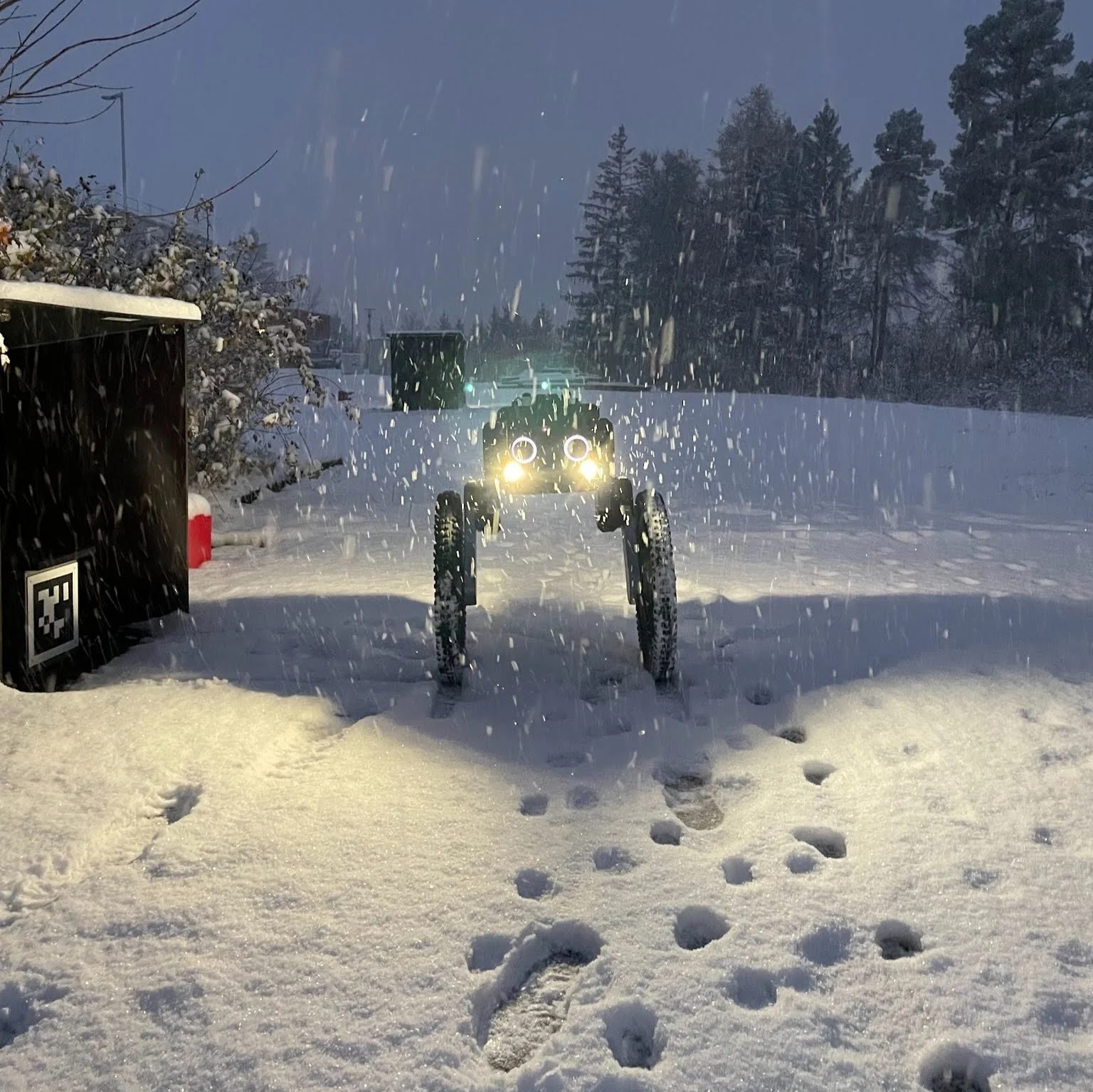
That is why the real evaluation standard should be operational reliability. Security teams need patrol systems that can be integrated into existing workflows, produce useful alerts, and keep functioning under the kinds of conditions that define real perimeter security work.
Ascento’s perspective for outdoor security robots is that it should be built for reliable patrol operations and not for novelty. The value comes from whether the robot can deliver practical, repeatable coverage in the environments where security teams actually work.
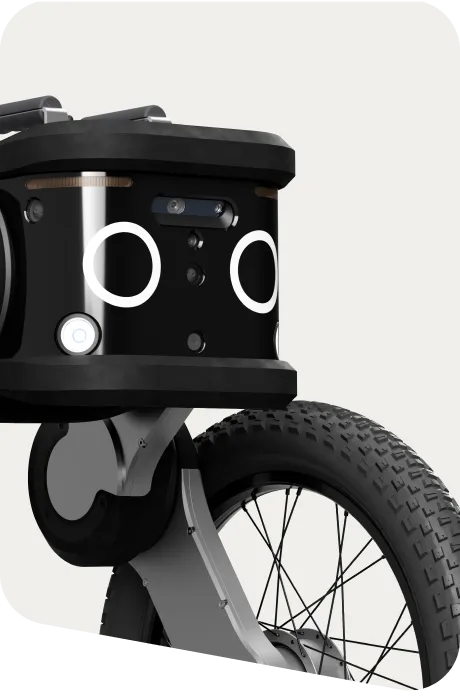
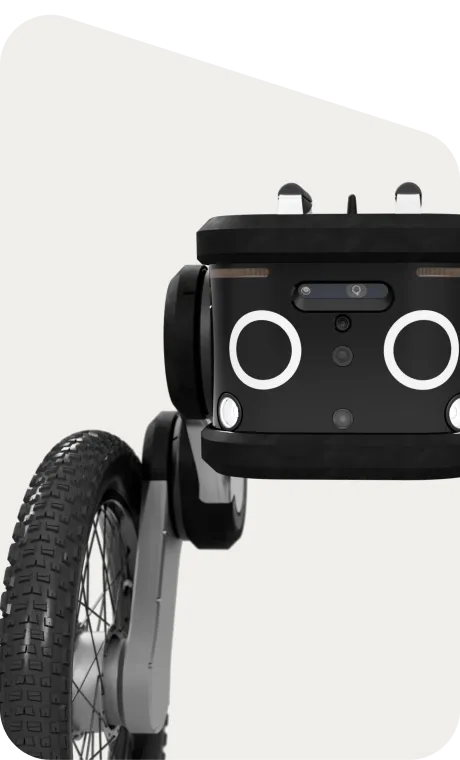
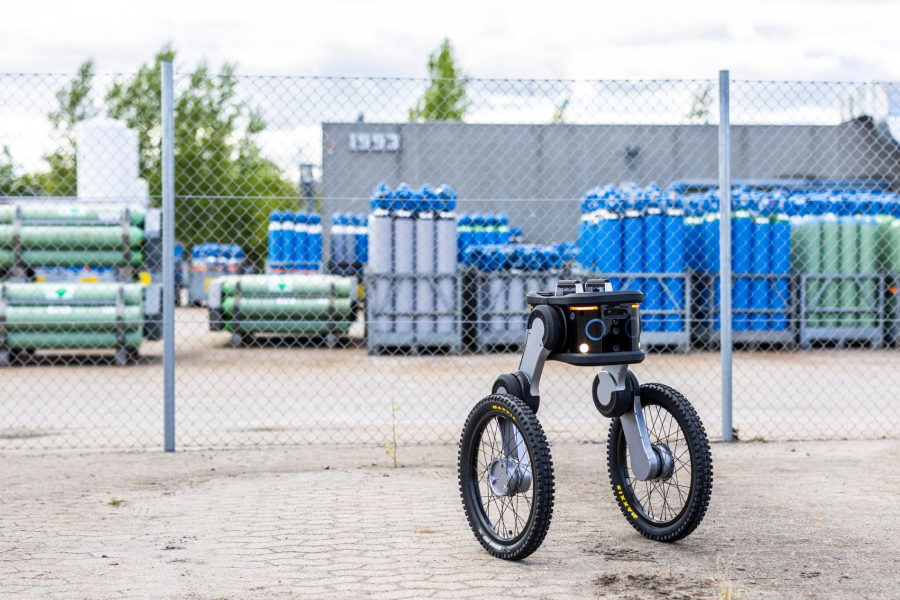
Indeed, Ascento Guard is designed specifically for autonomous outdoor security patrols. Its role is to combine autonomous patrol execution with capabilities such as visual awareness, thermal imaging, live remote monitoring, real-time alerting, and full patrol reporting.
The combination of the different capabilities connects movement, detection, and escalation into one operational loop. The robot patrols the site, monitors for anomalies, shares live information with human operators, and supports a documented security process rather than acting as an isolated device.
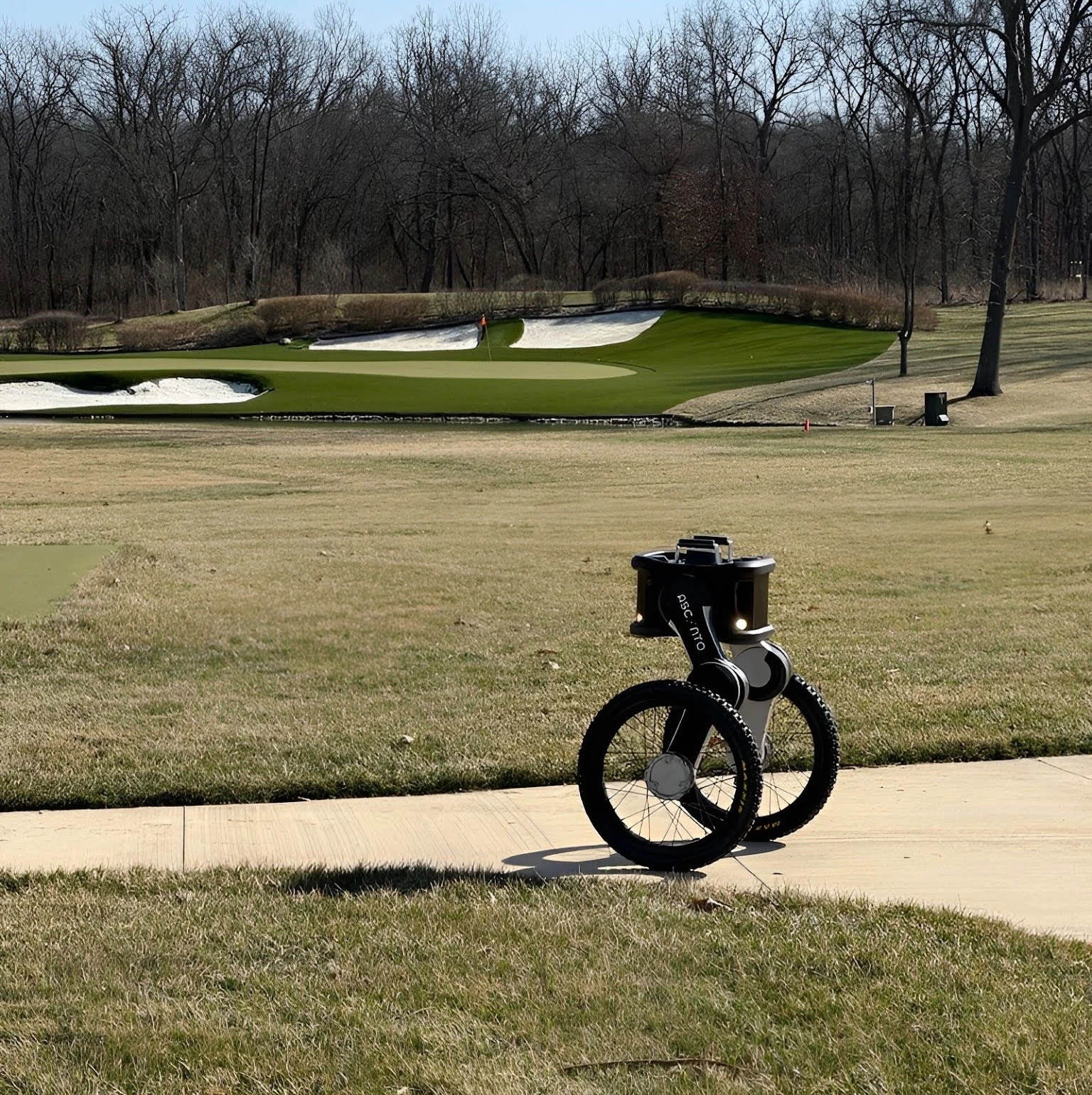
The strongest use case for outdoor security robots is not replacing guards, but reallocating human effort toward the security processes that require judgment, intervention, and decision-making.
When robots handle routine patrol coverage, security teams can focus more of their time on assessing alerts, managing incidents, and responding where human presence matters most. This human-robot collaboration can help organizations improve consistency without scaling manpower in a strictly linear way. Indeed, robotic patrols are best understood as a layer within broader security operations.
If you are evaluating a large outdoor site, the most useful starting point is not whether robotics feels futuristic, but whether your current operational setup has patrol gaps, coverage demands, or staffing constraints that make consistent perimeter security difficult to maintain.
Indeed, that is the practical question robotic patrol is meant to answer. This way, security leaders and operations teams can think beyond headcount alone and toward a more scalable coverage model.