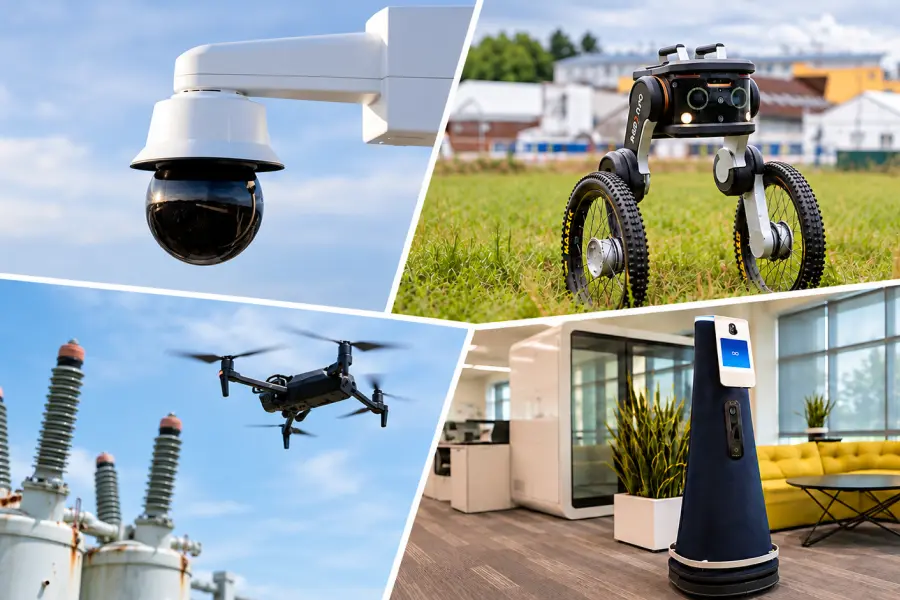
Large sites will increasingly treat robotic patrol the same way they now treat CCTV systems: not as experimental technology, but as standard infrastructure.
Large outdoor sites do not usually fail because nobody is watching one specific entrance. They struggle because there are too many areas that need to be checked again and again: gates, fences, parking areas, remote zones, and blind spots. This is especially difficult at night, in bad weather, or when trained guards are limited.
Industrial facilities, logistics centers, campuses, airports, and critical infrastructure sites face this problem every day. As a result, security teams are often expected to cover more ground with fewer people, leaving some areas checked less often than they should be. Traditional solutions such as CCTV systems can reduce some of the pressure in certain situations, but adding more fixed systems doesn’t always solve the problem, especially when on-site presence is needed.
For this reason, autonomous security robots are becoming increasingly relevant and address a very practical need: regular, mobile patrol coverage across large sites without adding a guard for every additional patrol route.
Over time, large sites are expected to treat robotic patrols the same way they now treat CCTV systems: not as experimental technology, but as standard infrastructure.
Fixed Systems Alone Are Not Enough
Most modern sites already use cameras, access control systems, alarms, and analytics software to improve visibility, support investigations, and help security teams monitor key locations. But they also have an important limitation: they are mostly fixed and can’t physically inspect a dynamic environment. A camera can watch a gate, a fence section, or a building, but it can’t move closer to inspect an unusual situation, patrol a long perimeter, or create visible presence in different areas of the site throughout the night.
Covering more area with fixed systems can work, but it often scales in a linear way: more area means more equipment, more infrastructure, and much higher costs.
In the case of large outdoor sites, the challenge is not “seeing” more, but checking more, moving through the site, and doing so consistently.
Security Robots Are the Missing Layer
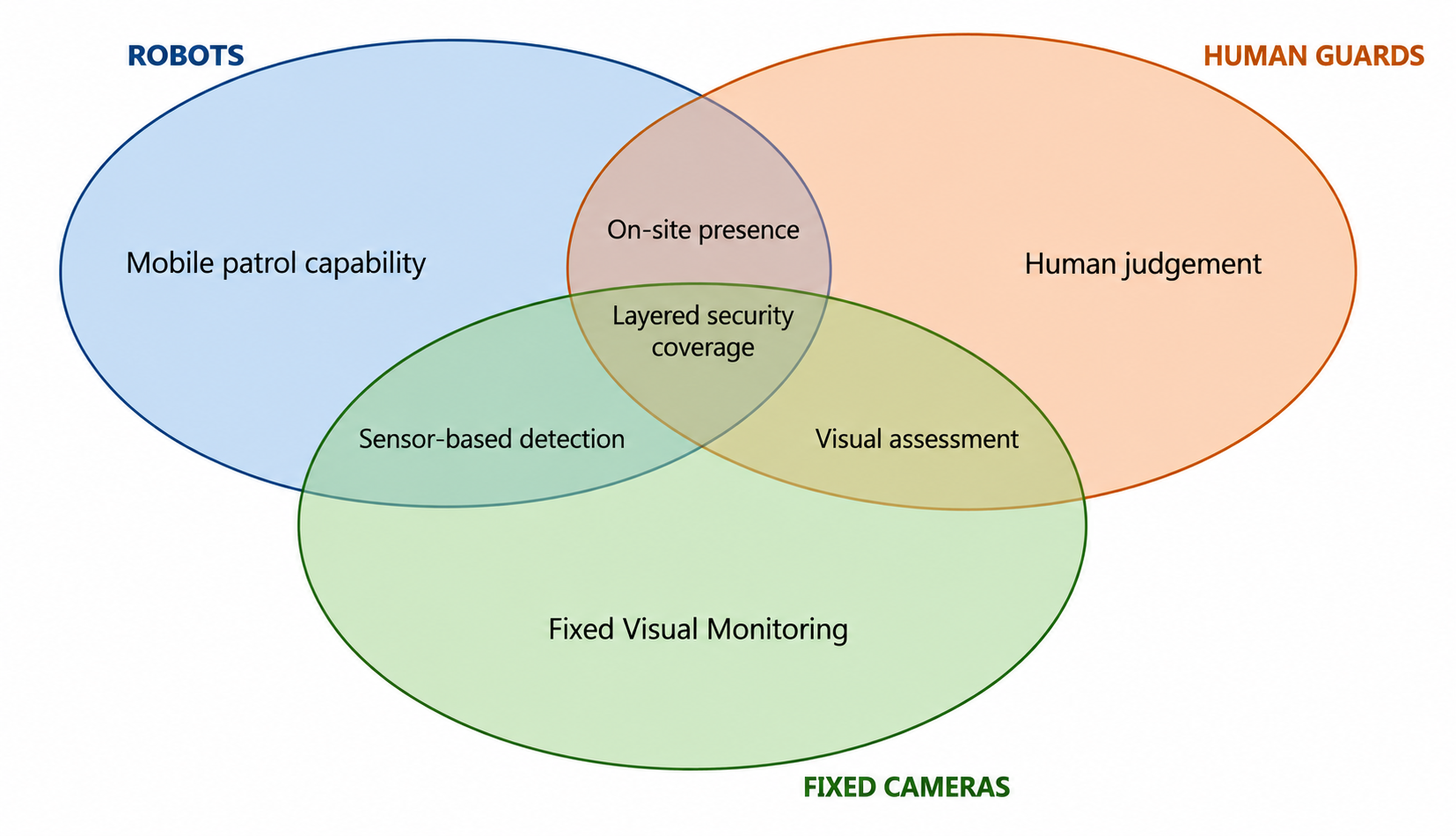
This is where security robots become useful. They add a moving patrol layer between fixed cameras and human guards. Cameras keep watching key points and guards keep making decisions while the robot repeatedly moves through the site, checks predefined areas, documents what it sees, and alerts a human when something requires attention.
In practice, this means that robots can support security teams by:
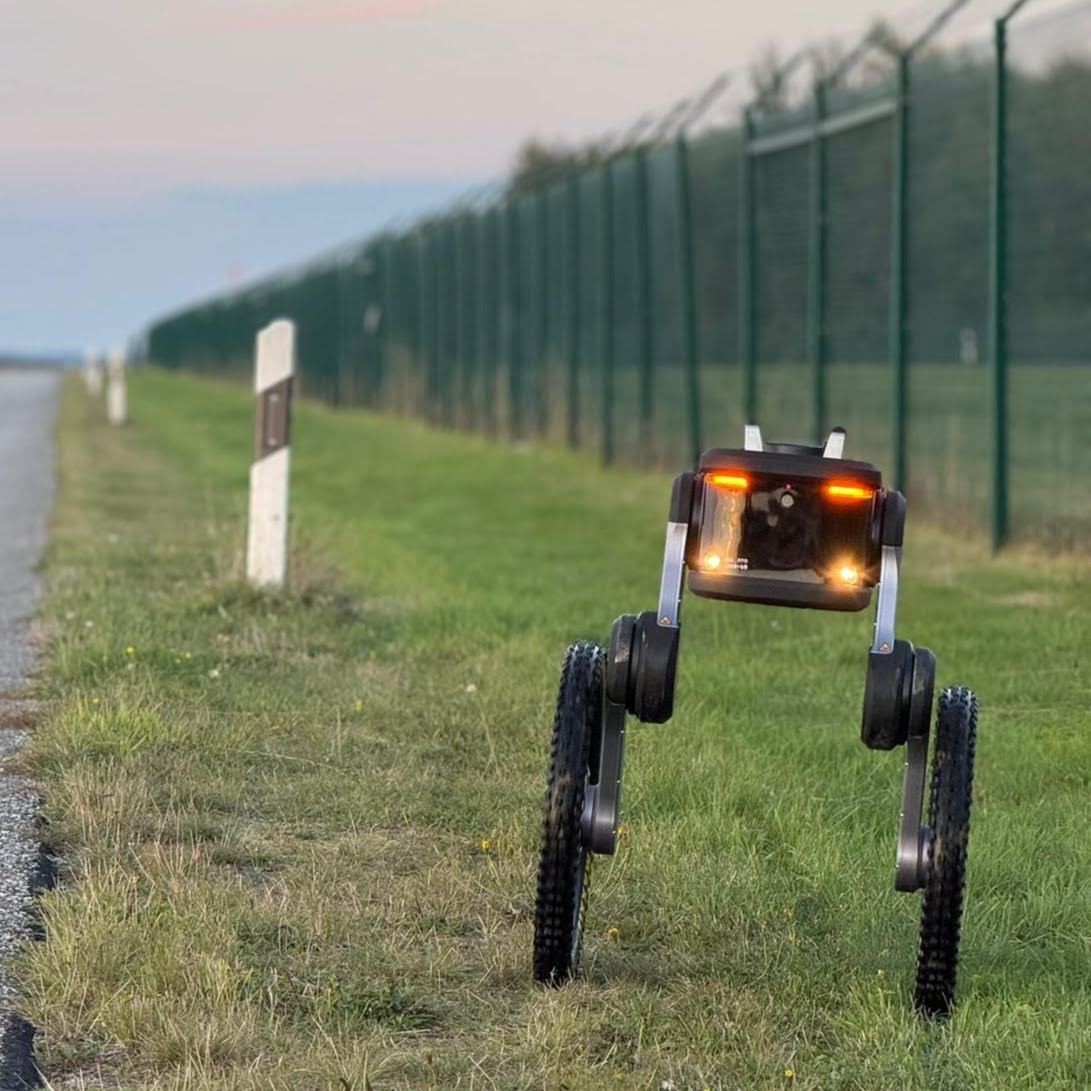
Patrolling large outdoor areas on a regular schedule
Checking gates, fences, doors, parking areas, and remote zones
Creating a visible security presence across the site
Sending alerts when something unusual is detected
Producing patrol reports that show what was checked and when
Instead of spending time on repetitive walking routes, security guards can now focus on tasks where human judgment matters most: assessing incidents, communicating with people, and responding when an intervention is needed.
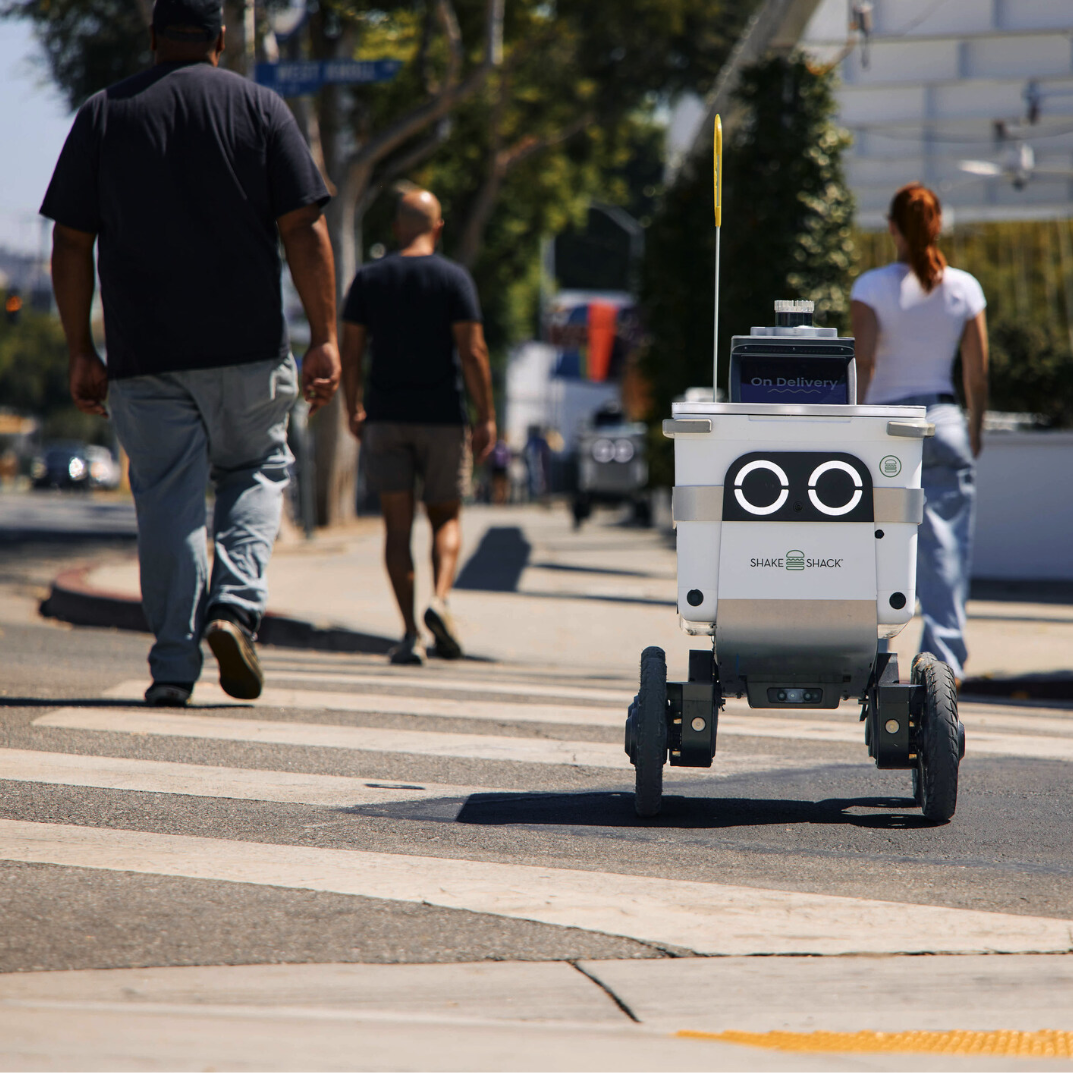
This is part of a broader shift in how mobile robots are perceived. In cities such as Los Angeles, autonomous delivery robots are becoming a familiar sight in public spaces.
Security robots serve a different purpose, but the signal is still relevant: mobile robots are moving from demonstrations into real operating environments.
Reliability Matters More Than Innovation
For security operations, however, familiarity is not enough. A patrol robot must also be reliable.
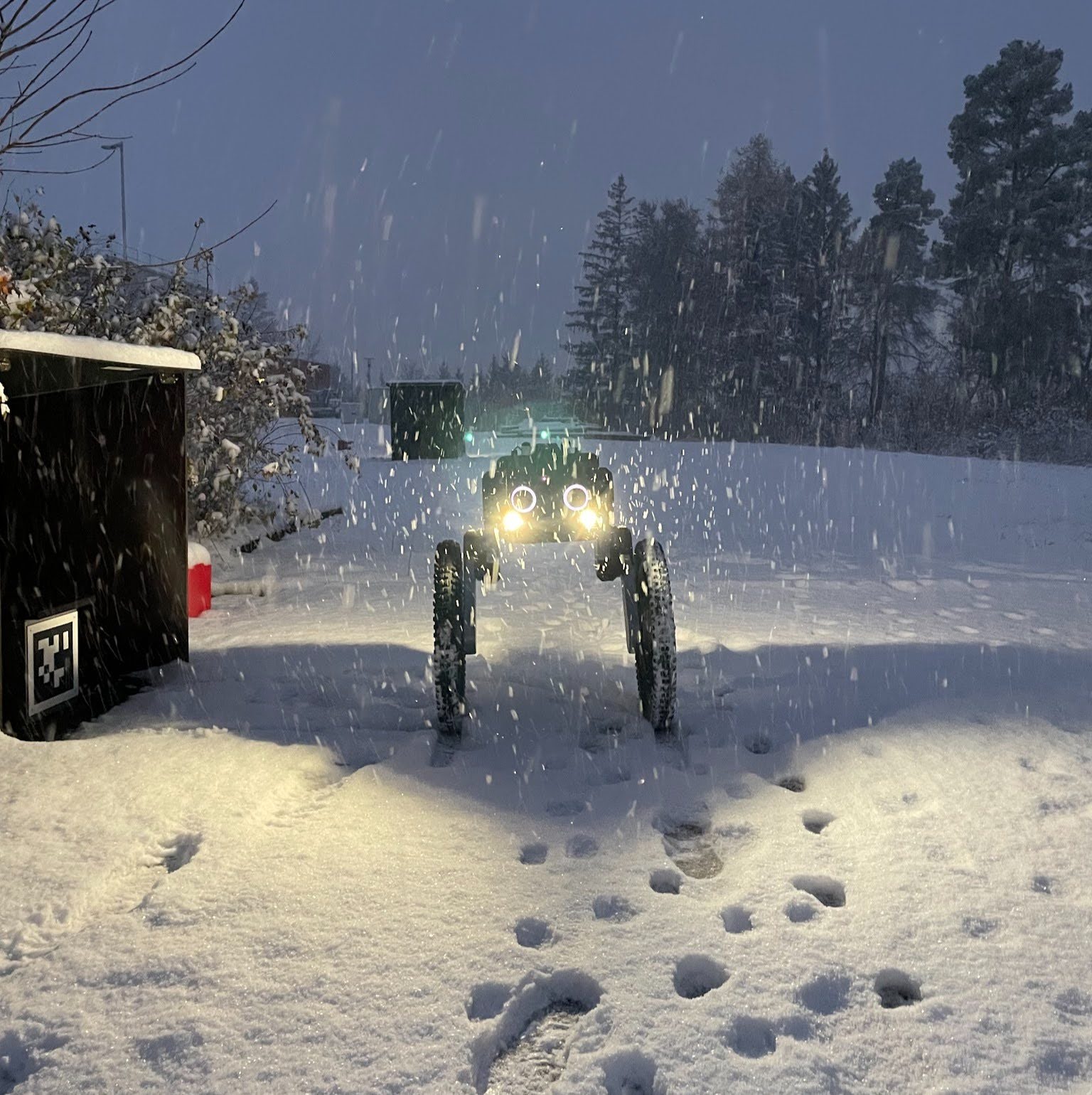
A security robot is only valuable if security teams can trust it in real operating conditions: rain, darkness, uneven terrain, long shifts, and unpredictable environments.
Reliability is also where many robotic systems struggle, because for a robot to become part of standard infrastructure, it needs to do the same things consistently:
Navigate the site safely
Complete patrols reliably
Detect relevant events
Send alerts in case of anomalies
Document what happened
Fit into existing security workflows
This is why the future of robotic security will not be defined by the most “advanced-looking” robot, but by the robots that security teams can trust to patrol also in difficult weather.
How Ascento Fits the Market Need
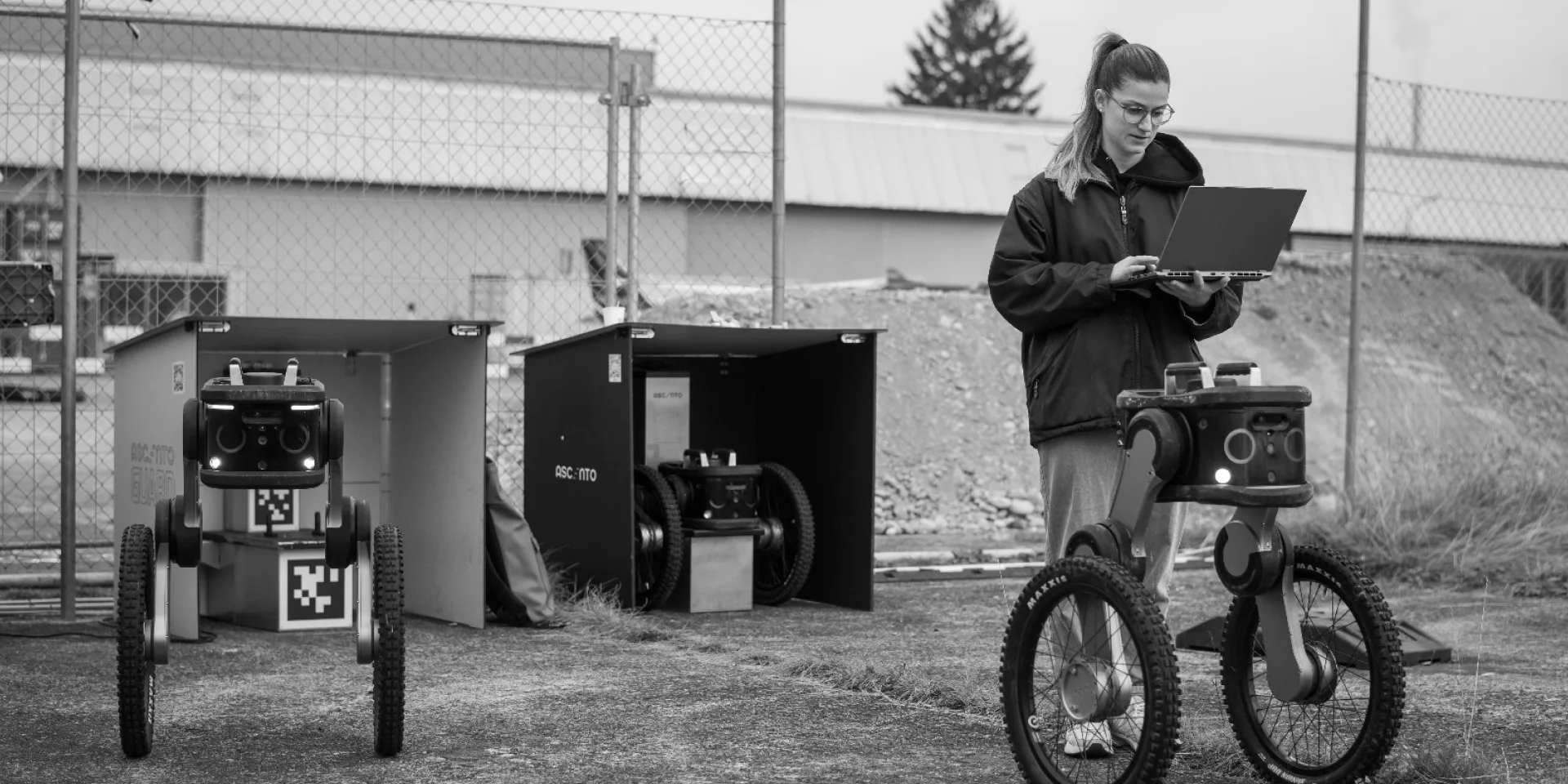
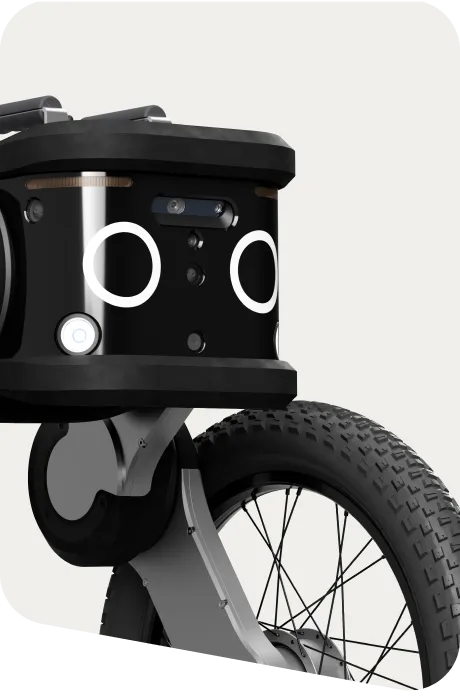
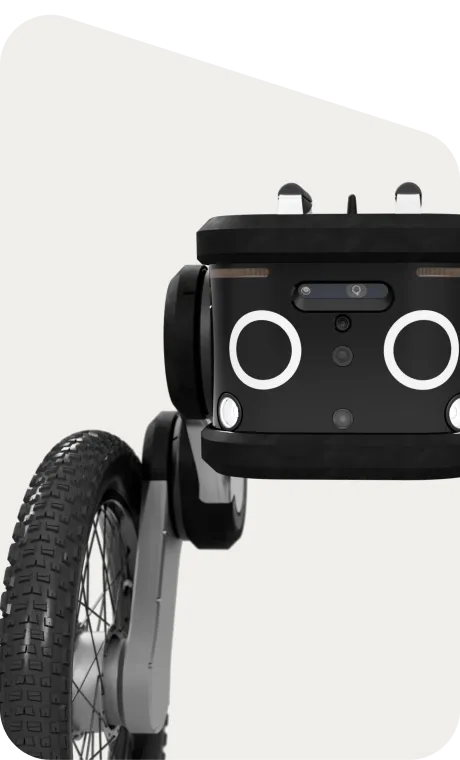
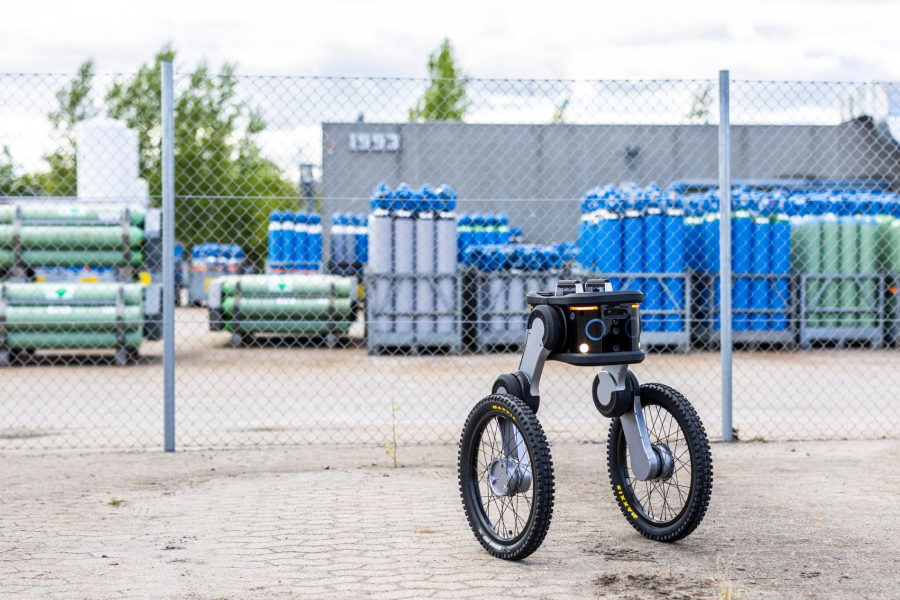
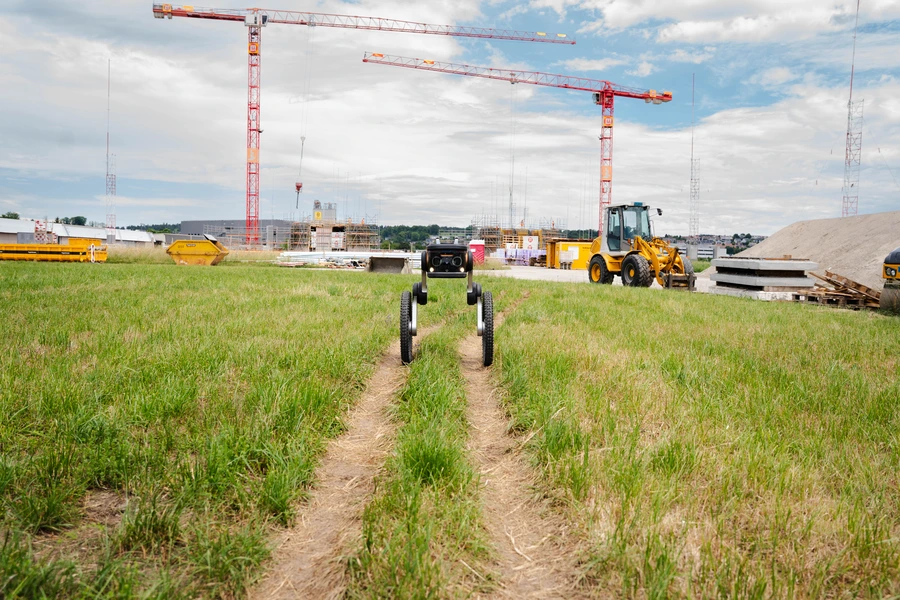
Ascento Guard is designed specifically for reliable autonomous patrols in large outdoor environments.
Rather than attempting to be a robot for every possible use case, Ascento focuses on one operational challenge: helping security teams maintain patrol coverage across sites, in real conditions.
This focus allows the robot to reliably handle changing weather, uneven ground, long distances, low light, and dynamic environments.
Key features supporting Ascento’s use case include:
Autonomous patrol execution, so routine patrols can happen without a guard manually walking every route
360° visual awareness, so the robot can monitor its surroundings while moving through the site
Thermal imaging, so the robot can detect people and heat anomalies when visibility is poor
Live remote monitoring, so operators can check what is happening before deciding how to respond
Real-time alerting, so unusual events are escalated quickly
Full patrol reporting, so teams have a clear overview of when and where patrols happened and which anomalies were found
This allows security teams to maintain regular patrols while keeping human operators focused on response and decision-making.
For large sites, robotic patrol is becoming less about experimenting with new technology and more about solving a practical coverage problem. Cameras and guards remain essential, but when a site needs regular patrols across large outdoor areas, a reliable robot can become the missing layer between fixed monitoring and human response.
By clicking “Accept All Cookies”, you agree to the storing of cookies on your device to enhance site navigation, analyze site usage and assist in our marketing efforts. More info
By clicking “Accept All Cookies”, you agree to the storing of cookies on your device to enhance site navigation, analyze site usage and assist in our marketing efforts. More info